
Finite element, finite volume and discrete element methods: what are the main differences?
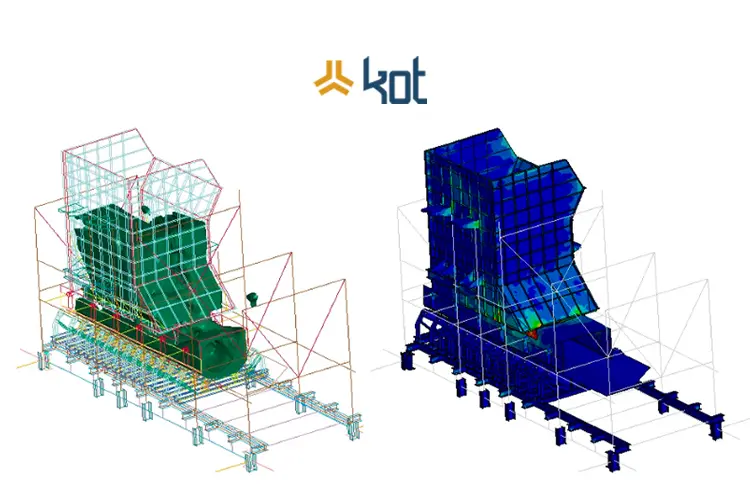
Numerical methods differ in the way they are calculated and simulated. Read in this article the main differences between FEM, FVM and DEM.
CFD simulation: learn about the main uses in industry
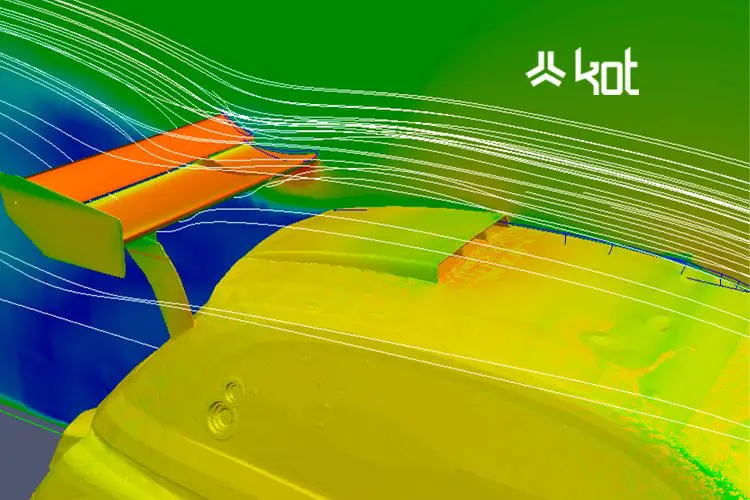
CFD simulation has applications mainly in the automotive and energy industries. Learn how to apply it to get good results
Vibration analysis using image processing
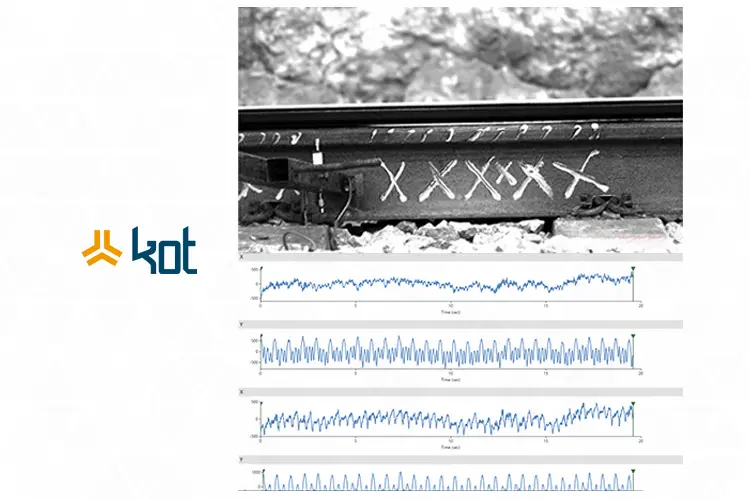
Learn more about vibration analysis by image processing, an innovative methodology for solving vibration problems.
Computational Fluid Dynamics: the physics and mathematics involved in CFD analysis
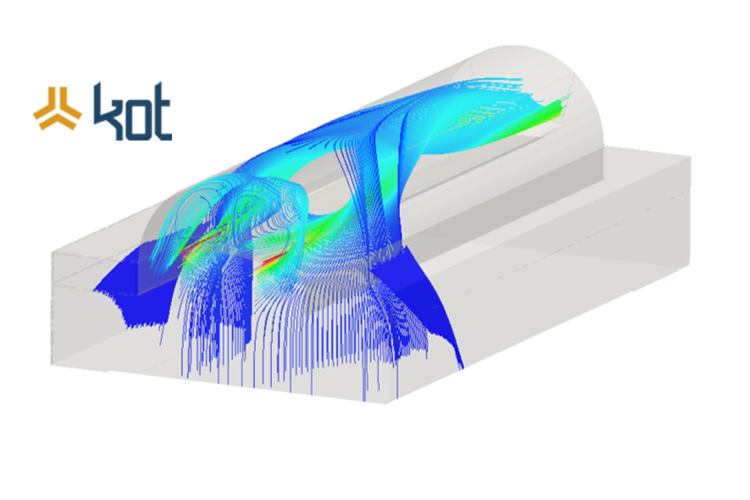
Learn how Computational Fluid Dynamics combines numerical methods with fluid mechanics in the computer simulation of fluid dynamic processes.
Thermofluid dynamic analysis in industrial processes

Thermodynamic analyses are applied in industrial operations and can be combined with numerical models - computational fluid dynamics.
How does SHM (Structural Health Monitoring) work?

Find out a little more in this article about the workings and methodology of SHM (Structural Health Monitoring).
SHM (Structural Health Monitoring) in Industry 4.0

SHM , or Structural Health Monitoring, is a process used to ascertain and warn of damage to structures, equipment and engineering assets. Its application is indispensable for Industry 4.0.
What is the difference between FEA and FEM?
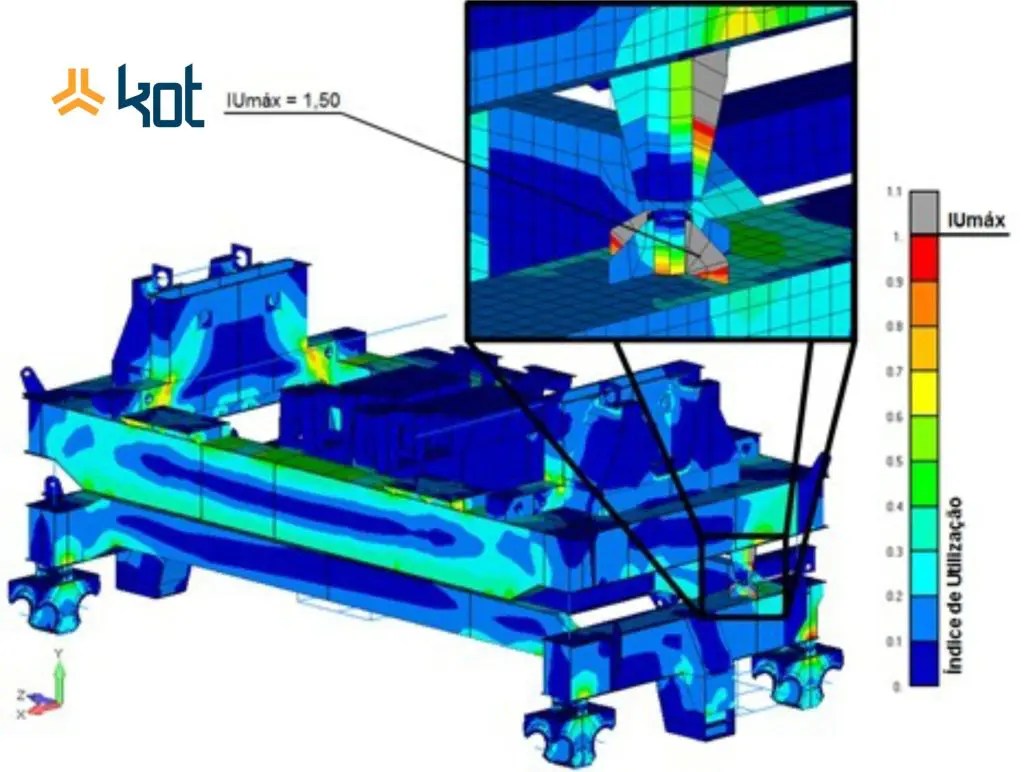
Finite Element Method (FEM) is the tool used in Finite Element Analysis (FEA) for a given physical phenomenon. Check out more in the text!
Understanding the Finite Element Method (FEM)
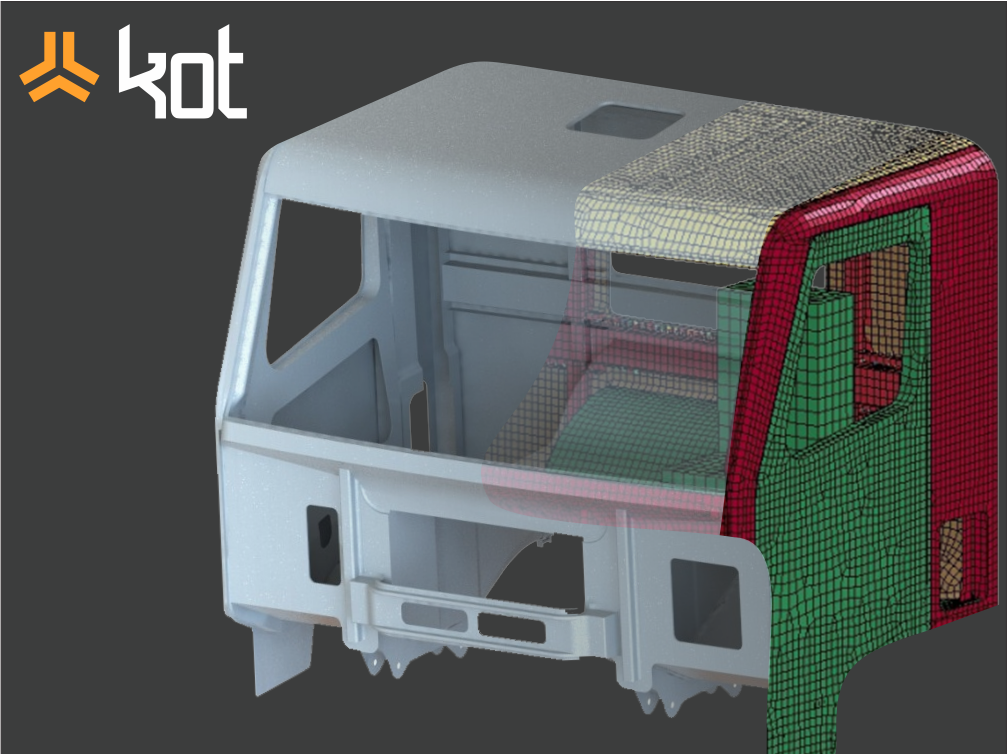
Learn more about FEM and discretization in computer simulation to find solutions to structural problems.
For laypeople: understanding the Finite Element Method

The Finite Element Method simplifies the calculation of engineering structures. Learn how FEM works in practice in this article.