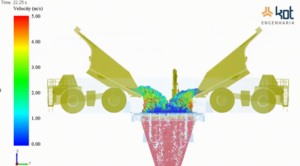
Inicialmente, a Fluidodinâmica Computacional, também conhecida como CFD (Computational Fluid Dynamics), começou a ser mais utilizada ao longo da década de 1990, devido ao desenvolvimento da tecnologia computacional nos últimos anos.
Além disso, o método é aplicado a partir da união de cálculos numéricos e das leis da termofluidodinâmica.
Assim, o CFD utiliza simulações numéricas para analisar sistemas que possuem escoamento de fluidos, transferência de calor e outros fenômenos relacionados.
What are the steps to do a CFD simulation?
De modo geral, uma simulação com programas matemáticos utilizando a metodologia CFD possui três etapas: pré-processamento, simulação e pós-processamento.
Pre-processing
Primeiramente, no pré-processamento, são definidos os parâmetros: região de estudo (domínio), geometria e malha do problema (discretização do domínio), critérios físicos e numéricos, entre outros.
CFD simulation
Em seguida, na simulação, ocorre a resolução das equações que descrevem a dinâmica dos fluidos. Dessa forma, é possível conseguir os valores das variáveis de interesse, como velocidade, pressão e temperatura.
Para isso, a simulação utiliza a discretização do fluido, geralmente pelo método dos volumes finitos. Consequentemente, ele permite que as equações de Navier-Stokes sejam resolvidas para obtenção do resultado desejado.
Post-processing
Por fim, no pós-processamento, é necessário analisar se o resultado alcançado é coerente. Além disso, nessa etapa, são extraídos os dados relevantes, que podem ser convertidos em gráficos e tabelas para facilitar o estudo do sistema.
Nesse sentido, é essencial a utilização dos conhecimentos aprendidos durante a vida acadêmica e profissional de quem está realizando a análise, principalmente em disciplinas da termofluidodinâmica.
Adicionalmente, o CFD permite a visualização da distribuição do fluido no que se refere à variável desejada, de diferentes formas. No caso exemplificado na Figura 1, obteve-se tanto o perfil de velocidades de um fluido dentro de uma câmara de combustão, quanto as linhas de fluxo.
Ademais, é possível simular o escoamento por meio de vídeos tridimensionais e observar pontos críticos de operação de um sistema.

What are the main applications of CFD in industry?
A Resolved Analytics realizou uma pesquisa com 624 pessoas que utilizam programas CFD. Com base nesses dados, foi possível observar em quais áreas da indústria a Fluidodinâmica Computacional é mais aplicada.
O setor automotivo registrou o maior percentual de usuários, com 20%. Em seguida, veio o setor de serviços de engenharia, com 18%. Por sua vez, em terceiro e quarto lugares, vieram os setores de energia e aeroespacial, com 10%.
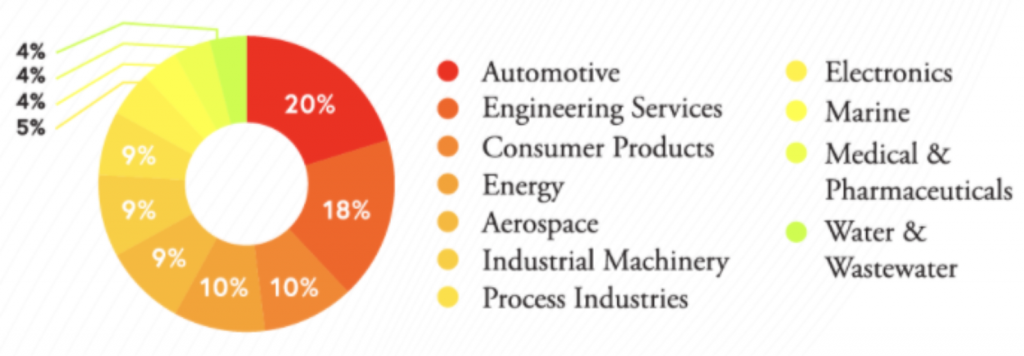
Figure 2: Main areas of industry in which CFD is applied - SOURCE: https://www.resolvedanalytics.com/cfd-user-survey-results.
For the areas mentioned, see possible applications of CFD:
-
- Vehicle design: seeking maximum performance and lowest cost for land, sea and aeronautical vehicles;
-
- Power plant projects: with the aim of achieving high levels of efficiency and few pollutants;
-
- Reactor design and operation;
-
- Studies of fluid flow phenomena in pipes;
-
- Analysis and optimization in industries that use heating or cooling in process equipment.
Além das aplicações citadas, vale destacar o aumento da utilização de CFD em aplicações biomédicas. Nesse sentido, sua aplicação para o estudo do escoamento de fluidos no corpo humano é uma tendência e pode apresentar um crescimento considerável ao longo dos próximos anos.
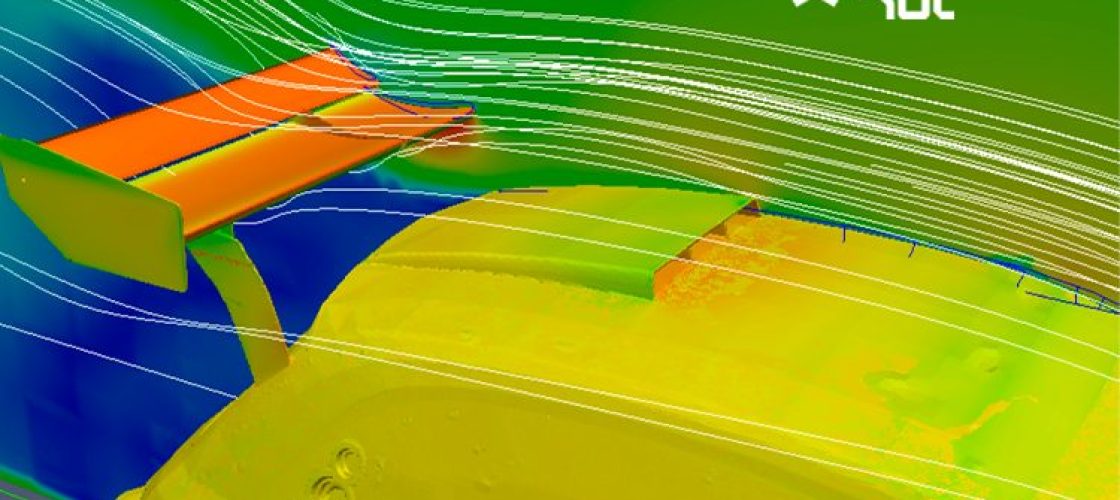
Um grande exemplo de aplicação do CFD na área automobilística, e realizado pela Kot, é a modelagem aerodinâmica de protótipo de corrida com o objetivo de desenvolver uma asa traseira para aumento de downforce. A partir disso, com o projeto da configuração da asa pronto, foi possível simular e o resultado foi o incremento dos valores de downforce em 75%.
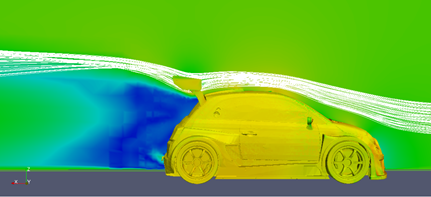
Figure 3: Aerodynamic simulation on a racing prototype - SOURCE: Kot Collection.
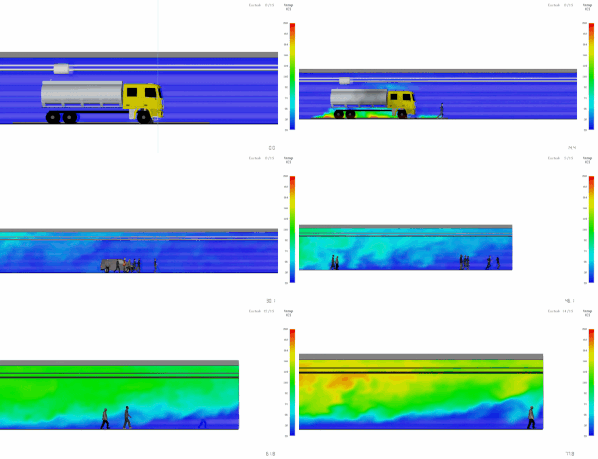
Another interesting situation is the thermofluid dynamic study of equipment that is part of a dedusting system. Kot's study was based on an analysis of the behavior of the water flow inside the cooling pipe circuit and the distribution of temperature and pressure in the pipe. Finally, the different rates of heat transfer between the fluids and the structure were compared.
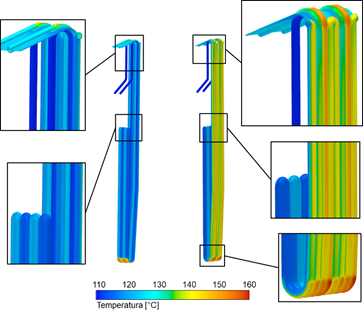
Figure 4: Temperature distribution along the pipe - SOURCE: Kot Collection.
Contudo, não se deve limitar as aplicações às principais indústrias. A fluidodinâmica computacional pode ser utilizada em projetos e análises dos mais diversos setores que envolvem o manuseio de fluidos.
Why use CFD tools?
A opção de utilização de softwares CFD pode facilitar, e muito, o desenvolvimento de novos projetos que utilizam calor e fluidos no seu processo produtivo, bem como servir para a obtenção de soluções para estes processos. Afinal, sem as simulações computacionais, seria necessário construir vários protótipos para análise, o que tornaria essa Engenharia mais custosa e demorada.
Além disso, a Fluidodinâmica Computacional permite, a partir da alteração de parâmetros, a execução de testes em cenários diversos. Dessa forma, é possível verificar quais apresentariam baixa performance e encontrar o cenário ideal com mais facilidade. Consequentemente, é construído o protótipo somente dos modelos em que foi conseguido um bom desempenho.
Outrossim, a construção de protótipos pode ser inviável do ponto de vista financeiro ou de difícil acesso, dependendo do sistema analisado. Não é o caso da fluidodinâmica computacional. O uso de ferramentas de CFD permite analisar fenômenos que ocorrem em espaços internos e confinados, onde uma visualização do fenômeno estudado em um modelo físico não seria possível ou de custo muito elevado.
Como resultado, tudo isso possibilita uma redução de tempo gasto no projeto, graças a identificação de falhas logo no início. Também reduz custos, pois, conforme explicado anteriormente, fazer alterações na simulação é mais barato do que construir um novo protótipo.
Não apenas em projetos, o CFD também é essencial na verificação da operação de sistemas existentes. Entupimentos, temperaturas elevadas, altas pressões, baixos rendimentos são problemas corriqueiros nas indústrias, e a causa deles pode ser identificada por meio de simulações. Portanto, encontrar soluções para esses casos é primordial para evitar colapsos em um sistema ou quebras de produção.
Contact our team to find out more about Computational Fluid Dynamics and its applications!
Follow our pages on LinkedIn, Facebook e Instagram to keep up with our content.
FAQ
1. O que é a tecnologia CFD e em quais princípios físicos ela se fundamenta?
CFD (Computational Fluid Dynamics, ou Fluidodinâmica Computacional) é uma ferramenta computacional voltada para a solução numérica de problemas que envolvem a movimentação de fluidos (líquidos e gases) e trocas térmicas. Sua base teórica fundamenta-se nas leis da termofluidodinâmica, aplicando o Método dos Volumes Finitos (FVM) para resolver as Equações de Navier-Stokes (que regem a conservação de massa, quantidade de movimento e energia no domínio estudado).
2. Quais são as três etapas fundamentais para a realização de uma simulação CFD?
Toda análise em CFD é estruturada em uma sequência rigorosa de três fases:
-
Pré-processamento: Definição do domínio geométrico de estudo, geração e refinamento da malha de volumes de controle (discretização do espaço), além da atribuição das propriedades do fluido e das condições de contorno (como pressões de entrada, velocidades e temperaturas);
-
Simulação (Processamento): Solução iterativa das equações diferenciais pelos algoritmos do software para determinar variáveis de interesse como velocidade, pressão, turbulência e temperatura em cada volume de controle;
-
Pós-processamento: Análise crítica dos resultados por engenheiros especialistas, com extração de gráficos, vetores de escoamento, mapas de gradiente e vídeos tridimensionais para validação do sistema físico.
3. Quais setores da indústria mais utilizam a Fluidodinâmica Computacional?
De acordo com dados de mercado da Resolved Analytics citados no artigo, a distribuição de usuários por setor industrial destaca-se da seguinte forma:
-
Setor Automotivo: 20% dos usuários;
-
Serviços de Engenharia Consultiva: 18% dos usuários;
-
Setor de Energia e Usinas: 10% dos usuários;
-
Aeroespacial: 10% dos usuários.
Há também uma expansão crescente na aplicação em tecnologias biomédicas, como o estudo do escoamento sanguíneo e dinâmicas respiratórias no corpo humano.
4. Como a Kot Engenharia aplicou CFD para otimizar o desempenho de um protótipo de corrida?
A equipe de engenharia utilizou a modelagem aerodinâmica em CFD para desenvolver e posicionar uma nova asa traseira em um protótipo de competição. Por meio de testes virtuais da geometria e do comportamento das correntes de ar, atingiu-se um incremento de 75% no valor de downforce (força descendente que aumenta a aderência dos pneus nas curvas), otimizando a estabilidade e a velocidade do veículo sem a necessidade de múltiplos testes em pistas reais.
5. De que forma o CFD foi aplicado no diagnóstico de um sistema de despoeiramento?
Em um estudo termofluidodinâmico voltado para a indústria pesada, o CFD foi utilizado para avaliar o circuito de tubulações de resfriamento de água em um sistema de despoeiramento. A simulação permitiu:
-
Mapear o perfil de velocidade e pressão do fluxo d’água no circuito interno de tubos;
-
Identificar os gradientes e a distribuição de temperatura ao longo da tubulação;
-
Determinar e comparar as taxas de transferência de calor entre a estrutura metálica e o fluido refrigerante.
6. Quais são as principais vantagens econômicas e operacionais de adotar o CFD na indústria?
-
Redução Drástica do Time-to-Market e Custos: Evita a construção de múltiplos protótipos físicos caros e demorados, permitindo simular dezenas de geometrias e cenários operacionais no ambiente virtual antes da fabricação;
-
Acesso a Regiões Confinadas: Permite visualizar fenômenos térmicos e de escoamento em espaços internos ou ambientes agressivos onde a instalação de sensores físicos é inviável;
-
Diagnóstico e Troubleshooting de Plantas Existentes: Identifica com precisão a causa raiz de problemas como entupimentos, altas perdas de carga, sobreaquecimentos localizados e baixos rendimentos operacionais em equipamentos já em produção.