
Na engenharia de segurança industrial, a viabilidade de uma rota de fuga em cenários acidentais é determinada pela equação fundamental de segurança à vida: ASET > RSET
Na qual, ASET (Available Safe Egress Time) é o tempo disponível para abandono seguro antes que o ambiente se torne insustentável, e RSET (Required Safe Egress Time) é o tempo real necessário para a evacuação de todas as pessoas. Neste estudo prático, a Kot Engenharia demonstra como a integração de simulações CFD e modelagem de evacuação permite mapear com precisão fatores como visibilidade, temperatura e velocidade de escape em túneis e sistemas lineares para garantir que essa margem de segurança seja positiva.
Quer ver os resultados visuais dessas simulações e entender como mitigar riscos na sua operação? Continue a leitura abaixo!
Introdução
Conforme apresentado na primeira parte deste artigo, a Análise Quantitativa de Riscos (AQR) utiliza metodologias numéricas para avaliação de cenários acidentais, permitindo, assim, compreender os possíveis impactos físicos associados a diferentes tipos de eventos em instalações industriais e infraestruturas complexas.
Nesse contexto, as simulações CFD destacam-se como ferramentas de grande relevância para a análise de consequências, uma vez que possibilitam representar de forma mais realista fenômenos relacionados ao escoamento de fluidos, distribuição de temperatura, dispersão de gases e interação desses efeitos com a geometria das instalações.
Dando continuidade à discussão, esta segunda parte apresenta aplicações práticas da AQR em sistemas industriais, com foco em sistemas lineares, ambientes confinados e simulações de evacuação. Além disso, serão discutidos exemplos desenvolvidos pela Kot Engenharia, evidenciando como essas análises contribuem para a identificação de vulnerabilidades, avaliação de medidas de mitigação e suporte à tomada de decisão técnica.
Aplicações práticas da AQR em sistemas industriais
A AQR é aplicada em uma ampla variedade de sistemas e contextos operacionais. No geral, em instalações industriais e infraestruturas complexas, esses estudos são empregados para avaliar, entre outros aspectos:
- Condições de ventilação e renovação de ar em ambientes confinados;
- Exposição térmica de estruturas, equipamentos e sistemas elétricos;
- Acúmulo e dispersão de gases quentes, fumaça ou contaminantes;
- Integridade estrutural sob condições operacionais adversas;
- Segurança das pessoas e viabilidade das rotas de fuga;
- Impactos sobre a continuidade operacional em caso de eventos acidentais.
A seguir, a Figura 1 apresenta registros fotográficos reais de trechos de um transportador de correia em operação, utilizados como base para estudos de análise de risco e consequências, bem como para a modelagem do cenário apresentado anteriormente. Essas imagens permitem compreender o contexto físico da instalação e, inclusive, a interação entre equipamentos, infraestrutura e áreas adjacentes.
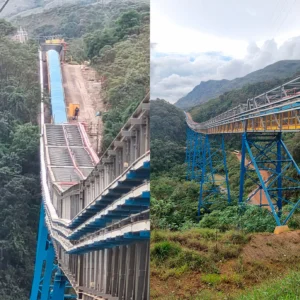
Figura 1 – Trechos 6 e 7 do transportador de correia (registro fotográfico da instalação).
Sistemas lineares: relevância da AQR em instalações extensas
Sistemas lineares, como transportadores de correia, túneis industriais e galerias técnicas, apresentam características que exigem atenção especial em estudos de AQR. Em razão de sua extensão longitudinal, efeitos físicos associados a um evento localizado podem se propagar ao longo de grandes distâncias e, eventualmente, impactar múltiplos ativos e áreas ocupadas.
Em determinados cenários, elevações térmicas, liberações de energia ou falhas localizadas podem comprometer rapidamente componentes estruturais e elétricos, sobretudo, a segurança e a continuidade da operação. O Gif 1 ilustra um cenário representativo neste sistema sem a atuação de medidas automáticas de mitigação.
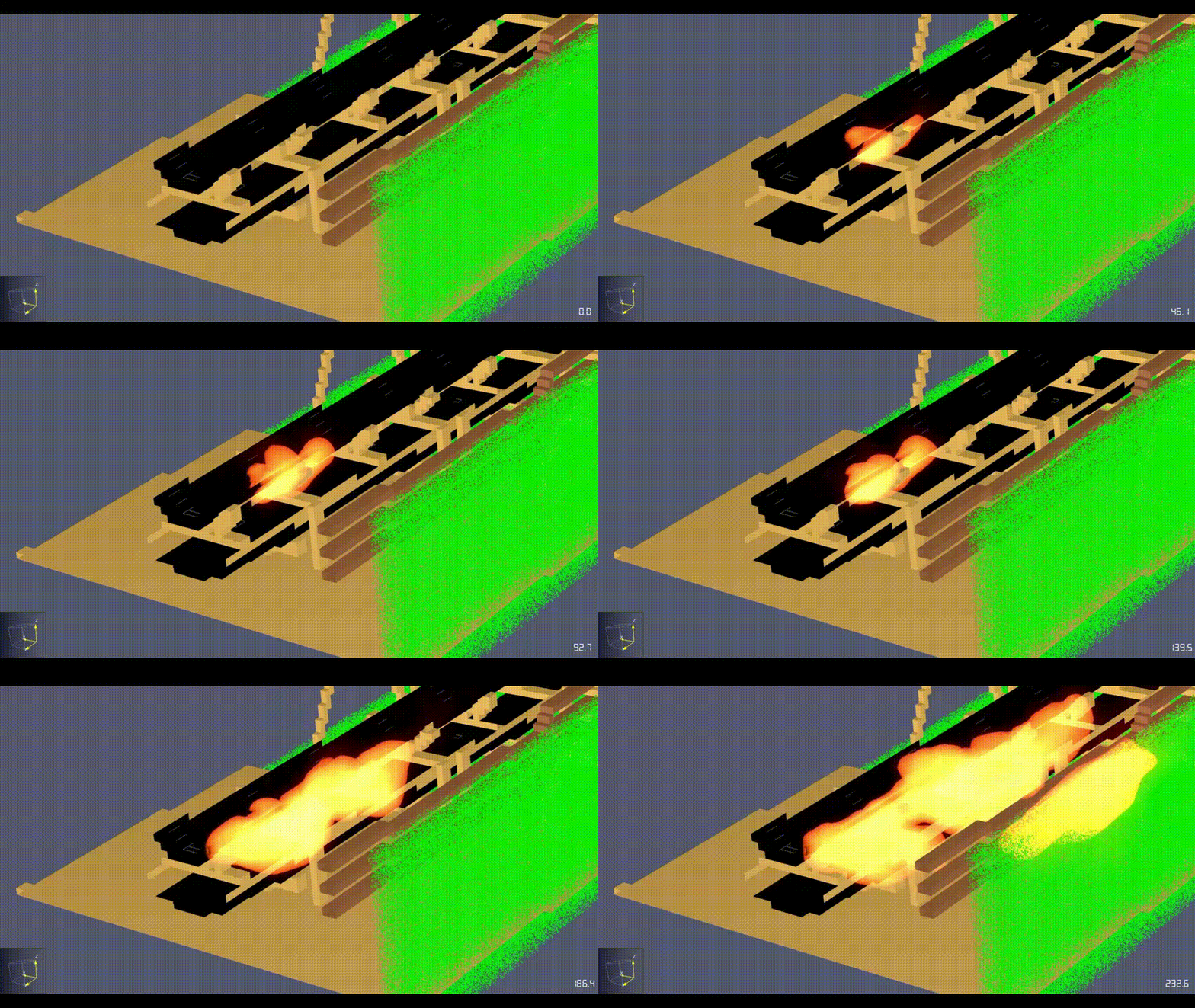
Gif 1 – Evolução de cenário térmico em sistema linear sem sistema automático de mitigação.
Por outro lado, quando medidas de mitigação são consideradas no escopo da AQR, observa-se uma redução significativa da severidade das consequências, com limitação da propagação dos efeitos e maior proteção dos ativos críticos, conforme apresentado no Gif 2.
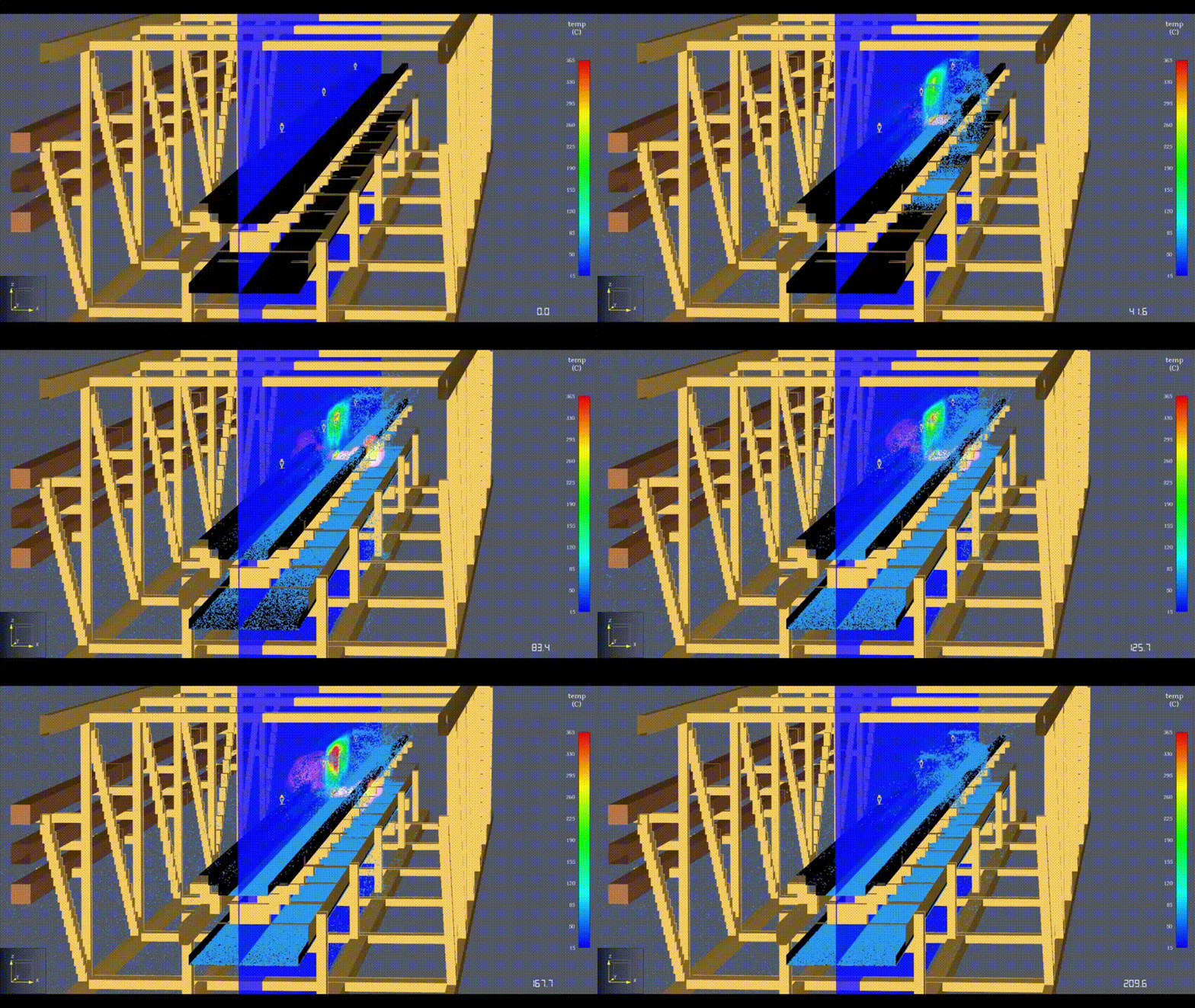
Gif 2 – Evolução do cenário com atuação de sistema automático de mitigação.
Ambientes confinados e avaliação integrada de riscos
Em ambientes confinados, como túneis industriais, a análise de consequências assume papel ainda mais relevante. Isso ocorre em função, principalmente, da geometria restrita e da ventilação forçada influenciarem diretamente na distribuição de temperaturas, gases e condições de visibilidade, afetando tanto a integridade dos sistemas quanto a segurança das pessoas.
Nesse contexto, a análise do escoamento de ar permite identificar zonas de recirculação e regiões com menor eficiência de ventilação, consideradas críticas em diversos cenários avaliados pela AQR. A Figura 2 apresenta um exemplo de perfil de escoamento associado a um ventilador instalado em túnel industrial.

Figura 2: Perfil de escoamento de um ventilador (plano centralizado no ventilador).
Em situações de estresse térmico, seja por falhas de equipamentos, eventos térmicos localizados ou outras condições operacionais adversas, a exposição prolongada de cabos, sistemas auxiliares e estruturas pode, eventualmente, comprometer sua integridade. A Figura 3 ilustra um exemplo de distribuição de temperatura em uma seção do túnel.

Figura 3 – Perfil de temperatura (°C) em seção central do túnel aos 800 s.
Simulações de evacuação como complemento da AQR
Como desdobramento natural da análise de consequências, as simulações de evacuação permitem avaliar a interação entre as condições ambientais simuladas e o deslocamento das pessoas em situações adversas. Nesse sentido, esse tipo de estudo conecta os resultados das simulações CFD à segurança humana, ampliando de forma significativa o escopo da AQR.
Por exemplo, em um estudo desenvolvido pela Kot Engenharia, foi realizada uma simulação de evacuação do túnel, considerando campos de temperatura, escoamento e visibilidade obtidos nas análises CFD, conforme pode ser observado nos Gifs a seguir. Assim sendo, essa abordagem possibilita avaliar tempos de escape, identificar gargalos nas rotas de fuga e verificar a adequação das condições de segurança ao longo do percurso.
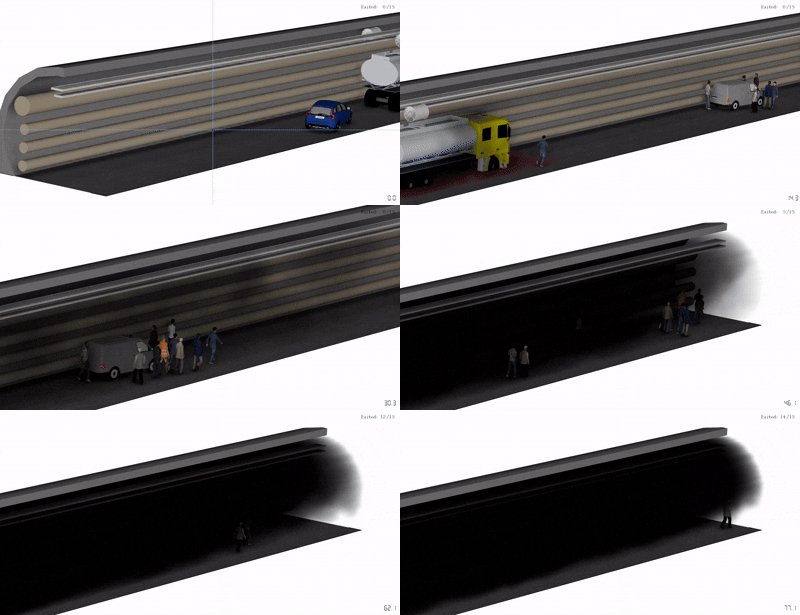
Gif 3 – Simulação de evacuação em túnel industrial considerando condições adversas. Fonte: Kot Engenharia.
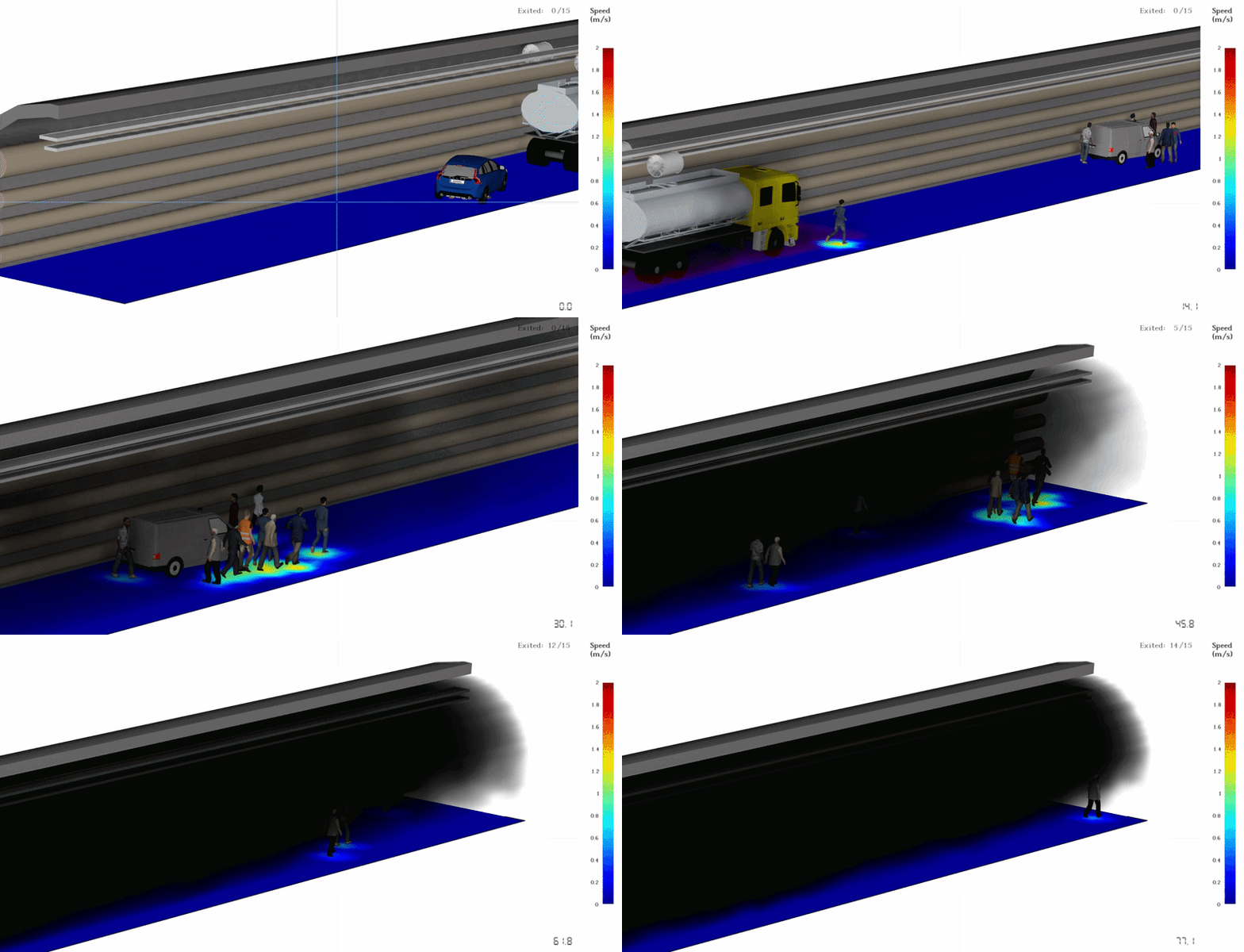
Gif 4 – Velocidade das pessoas durante simulação de evacuação em túnel industrial. Fonte: Kot Engenharia.
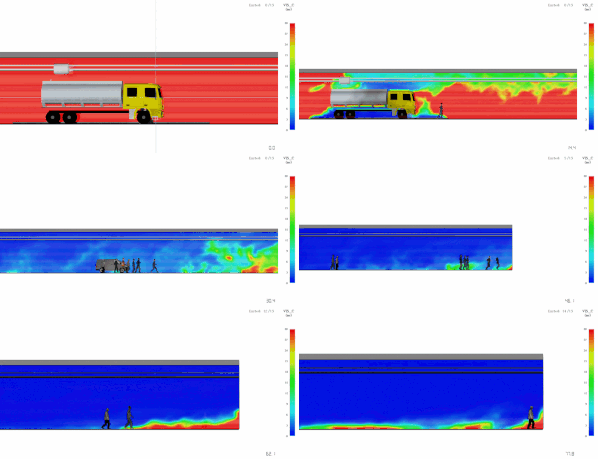
Gif 5 – Visibilidade calculada na simulação de evacuação em túnel industrial. Fonte: Kot Engenharia.
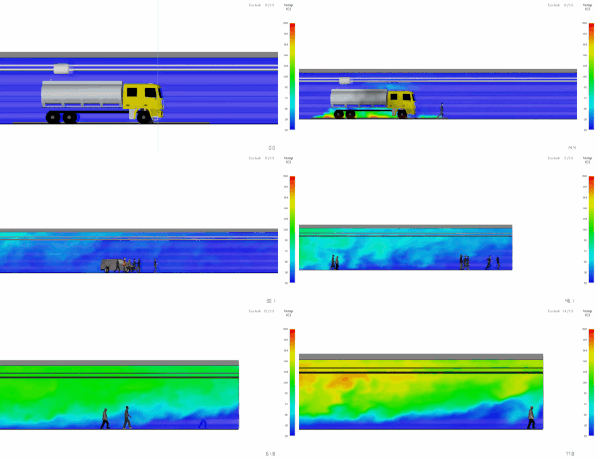
Gif 6 – Perfil de temperatura durante simulação de evacuação em túnel industrial. Fonte: Kot Engenharia.
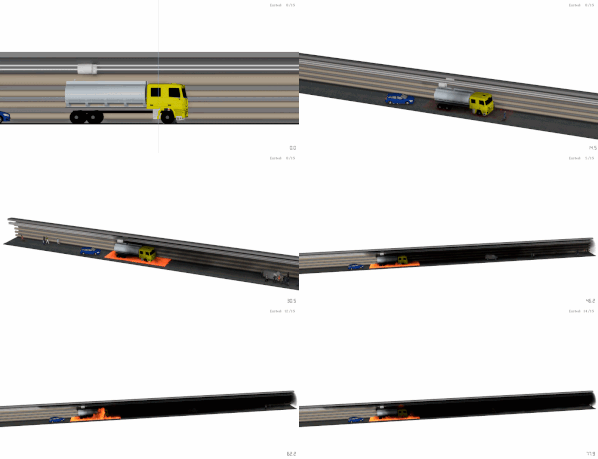
Gif 7 – Condições gerais da fumaça durante simulação de evacuação em túnel industrial. Fonte: Kot Engenharia.
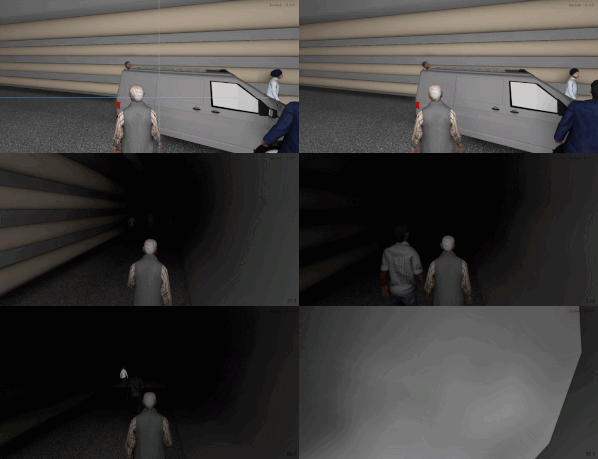
Gif 8 – Condições de visibilidade e evacuação durante simulação em túnel industrial. Fonte: Kot Engenharia.
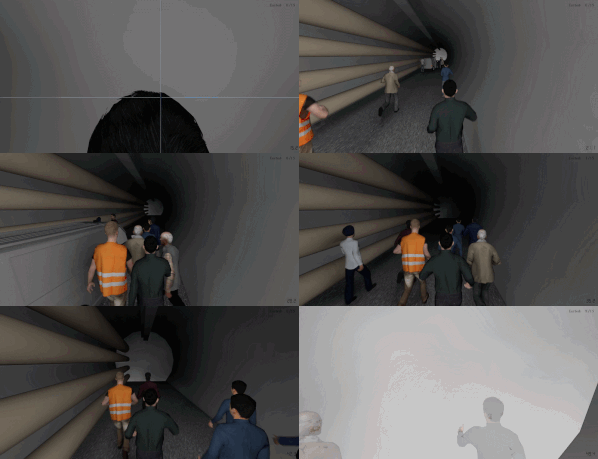
Gif 9 – Condições de visibilidade e evacuação durante simulação em túnel industrial. Fonte: Kot Engenharia.
Integração dos resultados e suporte à tomada de decisão
Nesse sentido, a integração entre análise de risco e simulações CFD, fornece uma visão abrangente dos riscos associados a sistemas industriais e infraestruturas complexas. Por conseguinte, esses estudos permitem identificar vulnerabilidades, comparar cenários e priorizar ações de mitigação de forma técnica, objetiva e fundamentada.
Além disso, mais do que avaliar um único tipo de evento, a AQR contribui para o entendimento global do comportamento das instalações sob condições adversas, apoiando decisões relacionadas a projeto, operação, manutenção e resposta a emergências.
Conclusão
Em suma, a Análise Quantitativa de Riscos constitui uma ferramenta essencial para a gestão de riscos em diferentes setores da economia. A análise de consequências, como parte integrante desses estudos, permite compreender de forma objetiva os impactos físicos associados a eventos indesejados, indo além de abordagens simplificadas e exclusivamente prescritivas.
Além disso, a aplicação de simulações CFD e de evacuação amplia significativamente a capacidade de avaliação desses cenários, sobretudo em instalações complexas e ambientes confinados.
Nesse contexto, a Kot Engenharia possui experiência consolidada na aplicação dessas ferramentas em estudos de avaliação de risco e AQR, apoiando seus clientes na identificação de vulnerabilidades, na definição de estratégias de mitigação e na tomada de decisões técnicas seguras.
Fale com a Kot Engenharia
Sua operação possui ambientes confinados, sistemas lineares ou instalações industriais complexas que demandam avaliação de riscos e análise de consequências?
Situações envolvendo incêndios, falhas térmicas, dispersão de gases ou dificuldades de evacuação podem comprometer a segurança das pessoas, a integridade dos ativos e a continuidade operacional.
Nesse contexto, a Análise Quantitativa de Riscos (AQR), associada a simulações CFD e estudos de evacuação, permite compreender cenários acidentais de forma mais realista, apoiando a identificação de vulnerabilidades, a definição de medidas de mitigação e a tomada de decisões técnicas mais seguras. Faça como nossos mais de 150 clientes, consulte nossa equipe e conheça nossos serviços.
Somos, desde 1993, especialistas em desenvolver soluções de engenharia por meio de inspeções, ensaios tecnológicos e utilização de métodos computacionais para avaliações complexas de estruturas de concreto, metálica e equipamentos industriais.
Siga, também, nossas páginas no LinkedIn, Facebook e Instagram e continue acompanhando nossos conteúdos.
FAQ
1. Por que sistemas lineares, como transportadores de correia, exigem uma AQR específica?
Sistemas lineares possuem características de propagação longitudinal de calor e fumaça. Um foco de incêndio localizado em uma parte da correia transportadora pode se espalhar rapidamente por centenas de metros devido ao efeito chaminé ou ao próprio movimento do material inflamável. A AQR avalia como a falha em um único ponto pode gerar um efeito dominó que comprometa múltiplos ativos críticos ao longo de toda a extensão do sistema.
2. Qual a diferença de desempenho em cenários com e sem sistemas automáticos de mitigação?
Sem barreiras ou sistemas de supressão automáticos atuantes, a energia térmica e os gases tóxicos propagam-se de forma desimpedida, gerando picos extremos de temperatura em poucos minutos e inviabilizando estruturas metálicas e cabos de sinal. Com a atuação de medidas mitigadoras (como sprinklers ou cortinas de dilúvio), a simulação mostra que a zona de alta temperatura fica restrita à vizinhança imediata do foco inicial, preservando o restante da planta e as rotas de fuga.
3. Como a geometria restrita e a ventilação influenciam os riscos em ambientes confinados?
Em túneis e galerias subterrâneas, a ventilação forçada é um fator de via dupla. Ao mesmo tempo em que renova o ar, em caso de incêndio, o fluxo de ar empurra a fumaça e os gases superaquecidos ao longo do túnel, criando uma pluma tóxica que reduz a visibilidade a zero e eleva a temperatura no percurso de fuga dos trabalhadores. Mapear essas correntes de ar via CFD é crucial para desenhar planos de emergência realistas.
4. O que é uma simulação de evacuação de pessoas integrada ao CFD?
É uma metodologia que cruza dados ambientais dinâmicos (gerados pelo CFD, como concentração de CO, temperatura e opacidade da fumaça) com o comportamento dos ocupantes (velocidade de caminhada, tempo de reação e gargalos nas saídas). A simulação de evacuação calcula o tempo real de escape dos indivíduos sob as condições degradantes geradas pelo acidente, validando se as rotas de fuga projetadas são realmente viáveis.
5. De que forma a fumaça e a perda de visibilidade afetam a velocidade de evacuação?
A perda de visibilidade provocada pela fumaça tem efeito psicológico e físico imediato: os indivíduos reduzem drasticamente sua velocidade de deslocamento para evitar colisões e quedas, o que aumenta o tempo necessário para o escape ($RSET$). As simulações de evacuação utilizam curvas de velocidade versus visibilidade para prever com precisão científica esses atrasos em cenários de pânico industrial.
6. Como as simulações da Kot Engenharia ajudam na tomada de decisões de investimento?
Em vez de realizar investimentos milionários baseados em suposições ou em um superdimensionamento de sistemas de segurança, as análises da Kot utilizam a engenharia baseada em desempenho. Isso significa que sua empresa consegue identificar exatamente onde estão as maiores vulnerabilidades físicas e investir nas medidas de mitigação (como ventiladores, detectores e jatos de água) nos pontos cirúrgicos indicados pelos mapas tridimensionais de risco.