
A análise Quantitativa de Riscos (AQR) é uma metodologia científica que calcula o risco residual de uma operação através da relação matemática entre a probabilidade de falha (P) e a severidade de suas consequências (C), representada pela equação clássica: R = P x C
Na engenharia de segurança de alta complexidiade, o CFD (Dinâmica dos Fluidos Computacionais) atua como a ferramenta mais precisa para a análise de consequências. Ela simula tridimensionalmente cenários reais de incêndios, dispersão de gases tóxicos e explosões, substituindo estimativas genéricas por dados físicos exatos.
Quer entender como aplicar a simulação computacional para mitigar riscos industriais extremos? Continue a leitura do artigo abaixo.
Introdução
A Análise Quantitativa de Riscos constitui uma ferramenta essencial para a gestão de empreendimentos e operações em diferentes setores da economia, como mineração, óleo e gás, construção civil, infraestrutura e logística. Antes de tudo, seu principal objetivo é apoiar a tomada de decisões técnicas e estratégicas. Isso ocorre por meio da identificação de perigos, da avaliação da probabilidade de eventos indesejados e da análise das possíveis consequências associadas a esses cenários.
Nesse sentido, a Análise Quantitativa de Riscos (AQR) destaca-se por empregar métodos numéricos e estatísticos. Essas metodologias permitem estimar, de forma objetiva e comparável, os riscos envolvidos em uma instalação, processo ou operação. Assim, a AQR possibilita hierarquizar cenários, priorizar ações de mitigação e demonstrar, de maneira técnica e transparente, níveis aceitáveis de risco para pessoas, ativos, meio ambiente e continuidade operacional.
Uma etapa primordial da AQR é a análise de consequências. Essa etapa é responsável por avaliar os efeitos físicos decorrentes de eventos acidentais. Incêndios são exemplos clássicos nesse tipo de estudo. Contudo, falhas térmicas de equipamentos, liberações de energia, deficiência de ventilação, cenários de confinamento, perda de visibilidade e dificuldades de evacuação também integram, frequentemente, o escopo dessas análises.
Dessa forma, este artigo apresenta a aplicação de simulações numéricas, sobretudo da Dinâmica dos Fluidos Computacional (CFD), como ferramenta de apoio à análise de consequências no contexto da AQR. Além disso, destaca-se sua relevância em diferentes sistemas industriais e infraestruturas complexas.
A análise de consequências no contexto da AQR
A análise de consequências busca responder a uma questão central da gestão de riscos: o que acontece caso um determinado evento indesejado ocorra? Em estudos de AQR, essa etapa é fundamental para transformar perigos identificados em impactos físicos mensuráveis. Assim, os resultados podem ser comparados com critérios de tolerabilidade, requisitos normativos e diretrizes corporativas.
Em instalações industriais, os efeitos físicos de um evento raramente permanecem restritos ao ponto de origem. Ao mesmo tempo, fatores como geometria da instalação, layout de equipamentos, condições de ventilação, presença de barreiras físicas e interação entre sistemas podem amplificar ou redirecionar esses efeitos. Dessa maneira, consequências não intuitivas podem surgir durante a avaliação dos cenários.
Por essa razão, abordagens baseadas exclusivamente em métodos simplificados tendem a apresentar limitações. Isso ocorre, principalmente, quando aplicadas a sistemas extensos ou ambientes confinados. Assim sendo, a necessidade de representar condições mais realistas tem impulsionado o uso de ferramentas numéricas avançadas como suporte à AQR.
Simulações CFD
A Dinâmica dos Fluidos Computacional (CFD – Computational Fluid Dynamics) consolidou-se como uma ferramenta relevante na análise de consequências associada à AQR. Por meio dessas simulações, torna-se possível avaliar, de forma integrada, o escoamento de ar e gases, a transferência de calor, a dispersão de contaminantes e a interação desses fenômenos com geometrias reais ou representativas das instalações.
Atualmente, as simulações CFD são amplamente aplicadas em estudos de engenharia de segurança, confiabilidade operacional e avaliação de riscos. Isso ocorre, sobretudo, quando se busca uma abordagem baseada em desempenho. Conforme referências técnicas consolidadas, como o SFPE Handbook of Fire Protection Engineering e normas da série NFPA, esse tipo de análise permite compreender com maior profundidade os cenários acidentais e seus possíveis desdobramentos.
A Figura 1 apresenta um exemplo de modelo geométrico tridimensional utilizado em análises de consequências. Nesse caso, o modelo representa um segmento de um transportador de correia e seu entorno. Além disso, modelos dessa natureza permitem comparar diferentes cenários operacionais e acidentais, bem como identificar regiões críticas sob o ponto de vista da segurança.
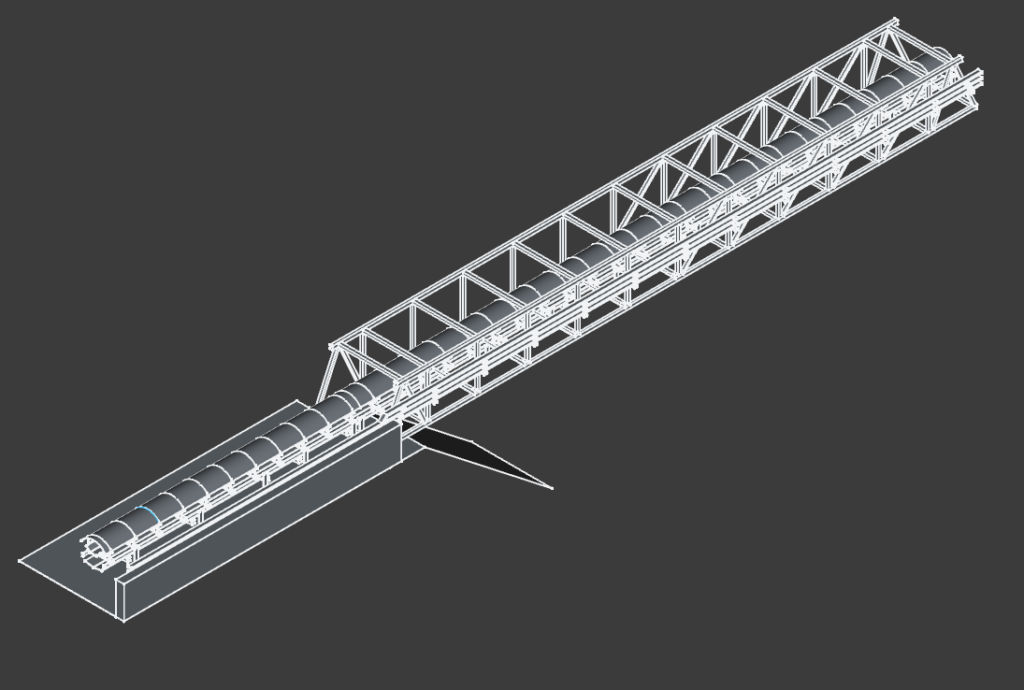
Figura 1 – Modelo geométrico tridimensional utilizado nas simulações CFD.
Conclusão
Diante do exposto, observa-se que a análise de consequências possui papel fundamental dentro da Análise Quantitativa de Riscos. Isso é particularmente relevante em instalações industriais e infraestruturas complexas, nas quais a interação entre geometria, ventilação, equipamentos e condições operacionais pode alterar significativamente a severidade dos cenários avaliados.
Nesse contexto, as simulações CFD tornam-se ferramentas essenciais para uma compreensão mais aprofundada desses fenômenos. Dessa forma, é possível representar, de maneira mais realista, efeitos relacionados ao escoamento de fluidos, transferência de calor e dispersão de gases em diferentes condições operacionais e acidentais.
Assim, esta primeira parte apresentou os fundamentos da análise de consequências no contexto da AQR e a relevância das simulações numéricas como suporte à avaliação de riscos. Na segunda parte do artigo, serão abordadas aplicações práticas dessas análises em sistemas industriais. Além disso, serão destacados estudos relacionados a sistemas lineares, ambientes confinados e simulações de evacuação desenvolvidas pela Kot Engenharia.
Por fim, para saber como essas análises podem contribuir para a segurança e a confiabilidade da sua operação, entre em contato com nossa equipe técnica.
Fale com a Kot Engenharia
Faça como nossos mais de 150 clientes, consulte nossa equipe e conheça como podemos apoiar em análises estruturais e dinâmicas.
Somos, desde 1993, especialistas no desenvolvimento de soluções de engenharia por meio de inspeções, ensaios tecnológicos e utilização de métodos computacionais para avaliação de estruturas metálicas e equipamentos industriais.
Siga, também, nossas páginas no LinkedIn, Facebook e Instagram e continue acompanhando nossos conteúdos.
FAQ
1. O que é uma Análise Quantitativa de Riscos (AQR)?
A Análise Quantitativa de Riscos (AQR) é um processo sistematizado que utiliza dados estatísticos, históricos de falhas e modelos matemáticos para mensurar objetivamente a frequência e a severidade de cenários acidentais em uma instalação. Ao contrário das análises qualitativas (que utilizam classificações subjetivas como “baixo, médio ou alto”), a AQR expressa o risco em métricas numéricas concretas, facilitando a tomada de decisões financeiras, regulatórias e de engenharia.
2. Qual é a importância da Análise de Consequências dentro da AQR?
A análise de consequências é a etapa responsável por dimensionar a extensão física e o impacto real de um acidente (como a radiação térmica de um incêndio, a sobrepressão de uma explosão ou a área de dispersão de uma nuvem tóxica). Sem ela, é impossível determinar se as rotas de fuga são seguras, se os equipamentos vizinhos resistirão ao efeito dominó ou qual será o real impacto sobre as vidas humanas e o meio ambiente no entorno da instalação.
3. Por que usar simulações CFD em vez de métodos de cálculo simplificados na AQR?
Modelos matemáticos simplificados ou empíricos assumem cenários ideais, como terrenos planos ou canais infinitos sem obstruções. Na realidade industrial, galpões, transportadores de correia e tubulações criam barreiras que alteram completamente o vento e o calor. A simulação CFD resolve numericamente as equações de transporte de massa e energia considerando a geometria tridimensional exata do local, oferecendo resultados muito mais realistas e seguros.
4. Quais normas técnicas balizam o uso de CFD em análises de segurança e incêndio?
O uso de modelagem computacional de fluidos para segurança é respaldado por referências internacionais consagradas, com destaque para as diretrizes da NFPA (National Fire Protection Association) e os métodos descritos no SFPE Handbook of Fire Protection Engineering. Essas diretrizes estabelecem os critérios de validação física, refino de malha e modelagem de turbulência necessários para garantir a confiabilidade dos resultados simulados.
5. Quais fenômenos físicos podem ser previstos em um estudo de consequência por CFD?
A modelagem via CFD permite simular uma vasta gama de fenômenos críticos para a segurança industrial. Entre eles, destacam-se a propagação de fumaça e gases tóxicos, a taxa de elevação de temperatura em estruturas metálicas expostas ao fogo, a eficiência de sistemas de ventilação de emergência, o confinamento de calor em ambientes fechados e a perda de visibilidade em rotas de fuga durante um sinistro.