
SHM and its analogy with the Human Nervous System
The process of SHM (Structural Health Monitoring) involves the implementation of tools and strategies for characterizing and detecting damage to engineering structures and equipment, and is applied in many different sectors (Energy, Construction, Mining, Railways, etc.). To better understand the fundamentals of SHM as they relate to Industry 4.0, check out the article: SHM (Structural Health Monitoring) in Industry 4.0.
O SHM apresenta uma constituição semelhante à do sistema nervoso humano, que é replicada em estruturas e equipamentos de engenharia, sendo esses últimos estacionários ou móveis. Desta forma, a implantação com êxito se assemelha a um sistema sensorial interconectado que alimenta um centro de processamento de informações. Em analogia ao organismo humano, o sistema sensorial do corpo composto por receptores e nervos, são representados pelos sensores e redes de fio em um equipamento complexo, por exemplo, um avião. Toda a informação capturada pelos sensores e conduzida por nervos aferentes será encaminhada ao cérebro onde será conectada e interpretada, no caso do corpo humano. No SHM não é diferente, uma vez que apresenta, também, uma central desenvolvida para processamento de informações.
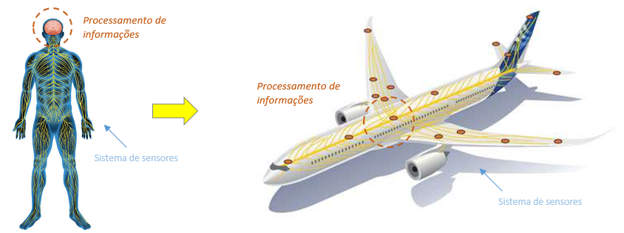
Figure 1: View of the SHM in assets, compared to the structure of the human nervous system - SOURCE: AIRBUS - Materials for airframes, the A380 and beyond.
Basically, SHM aims to understand the conditions and possible damage to the critical elements of a structure or piece of equipment, defined according to objectives, standards and requirements. Its tools are capable of collecting and processing the asset's actual operating data, feeding into the structural analysis process and enabling decisions to be made with greater reliability, precision and agility. The system is extremely useful for managing assets and maintenance resources, as well as providing an accurate diagnosis of identified anomalies.
SHM also helps in making decisions to guarantee the integrity of the structure, in conjunction with trained professionals, at the right time, in a proactive rather than reactive manner. When properly implemented, an SHM system makes it possible to correlate the fatigue obtained in the theoretical calculation with the actual useful life consumption of the equipment's operation. Therefore, the remaining useful life will be monitored directly from the instrumented components without the need to perform new calculations.
Structural Monitoring is closely linked to safety. In fact, early detection of abnormal behavior mitigates the risk of sudden collapse. This detection contributes to the preservation of human lives and material assets. In addition, the data generated by SHM helps and supports decision-making at operational and/or management level. In addition, Structural Monitoring by SHM provides efficiency in maintenance planning due to the analysis of the useful life consumption of the components of the structure or equipment. It thus contributes to extending the useful life of the structure, minimizing direct maintenance costs and maintenance losses.
The aim of SHM is to determine, at all times during the asset's useful life, a diagnosis of the structural components or, where possible, the structure as a whole. Even with audited and well-designed projects, due to the conditions in which the asset is used, environmental action and accidental events, the structure can break down while respecting the design criteria. Monitoring is able to take into account these criteria associated with the dimension of time, having a complementary prognostic character.
Since the 1940s, some reports can be found on the use of this technique. In recent years, due to the growing evangelization about its benefits and concomitant reduction in hardware and software costs, the technology has been more widely used, following the growing concerns of the technical and scientific community regarding structural performance in terms of safety, use and durability, as illustrated in Figure 2.
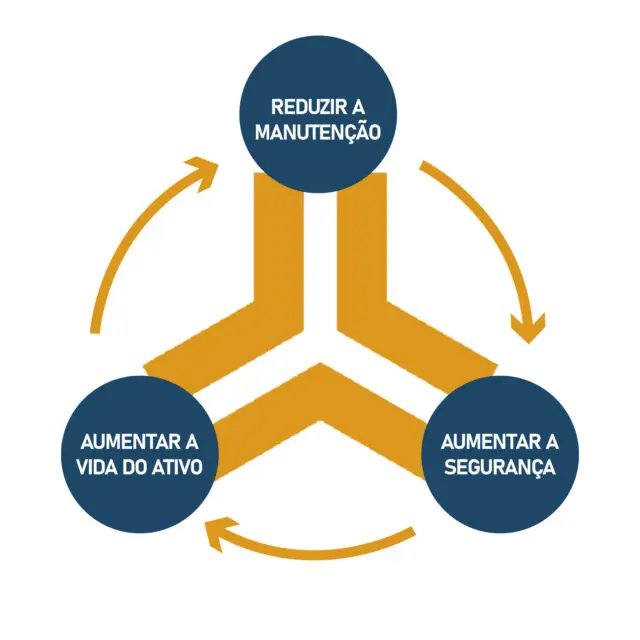
Figure 2: Main justifications for using SHM - SOURCE: Kot Collection.
Figure 3 below shows a high-level schematic of an SHM deployed on the surfaces of a simple structure. This system involves the integration of sensors (load cells, accelerometers, etc.), data processing and transmission, allowing the structure to be managed within the scope of its individual components and the entire assembly.
![Figura 3: Fluxo de informação SH - FONTE: John Wiley & Sons, 2010 [1].](https://kotengenharia.com.br/wp-content/uploads/2020/12/Processo-SHM-1024x578-1.png.webp)
Figure 3: SH information flow - SOURCE: John Wiley & Sons, 2010 [1].
A typical SHM system covers the following aspects:
-
- The type of physical phenomenon, closely related to the damage, monitored by the sensors;
-
- The type of physical phenomenon used by the sensors to produce a signal (usually electrical) to be sent to the data acquisition and storage system. Sensors of the same signal type form a network and can be processed and have their data combined with sensors of other types.
In parallel, other sensors monitor the conditions of the environment, making it possible to perform the monitoring function. The signal delivered by the integrity monitoring system, combined with previously recorded historical data, is used to create a diagnosis. By cross-referencing this information with Structural Integrity knowledge, it is possible to create a prognosis (residual life) and integrity management of the structure (organization of maintenance, repairs, etc.).
The creation of a monitoring system for an asset allows the identification and storage of the equipment's operational history. Overloads that may occur will be identified above the defined operating limits and will be presented to system users by means of visual and/or audible alerts.
This operational overload information is stored by the system, creating a database that will allow more reliable analysis of the useful life of the machine and its components. Based on this database, more advanced analyses using artificial intelligence and statistics can be developed, resulting in greater knowledge of the equipment's behavior and consequent maximization of use.
As well as enabling monitoring of the equipment's operating variables, the SHM system will be able to indicate which structural components of the equipment should be inspected, or even whether an inspection can be postponed, as is the case with equipment operating under very low loads. On the other hand, if the equipment is subjected to excessive loads, routine inspections can be brought forward, given the risk of cracks nucleating in these circumstances.
Inspections of certain structural components can be prioritized according to the value of the component's accumulated fatigue damage, the extent of which is calculated by the monitoring system.
For example, a yard machine boom will probably have greater accumulated damage than an undercarriage, since it experiences greater variation in loads over the same time interval, and will therefore be more subject to fatigue cracking.
The situations described above clearly illustrate how SHM is able to contribute to the effective performance of the Maintenance sector, contributing to the tripod of benefits associated with the system - safety, use and durability.
Benefits of SHM
The benefits of the SHM system are:
1. Reducing uncertainties:
-
- Equipment owners face many uncertainties about the actual state of the equipment/structure materials, about the actual loads acting, about the structure involved and its ageing. When making decisions about the structure, these unknowns have to be taken into account. Monitoring helps to mitigate these uncertainties and therefore allows the owner to make decisions on the basis of data and in a shorter timeframe;
2. discovery of hidden structural reserves:
-
- In some situations, many structures are in much better condition than expected. In this way, SHM will allow an effective increase in safety margins without any intervention on the structure. By taking advantage of the best material properties, synergistic effects and other factors, it is possible to safely extend the lifespan or capacity of a structure without any intervention.
3 Checking deficiencies at the right time and increasing safety:
-
- Some structures have deficiencies that cannot be identified through inspection or modeling. In these cases, it is crucial to take appropriate preventive action before it is too late. In this way, any repairs will be less costly and cause less interference in the structure's availability if they are carried out at the right time;
4. promoting the long-term quality of the structure and structural management of assets:
-
- Every quality policy requires measurements and feedback to ensure that objectives are achieved and that corrective action can be taken in the event of non-conformities. By providing continuous and quantitative data, a monitoring system helps assess the quality of the structure during construction, operation, maintenance and repair, thus eliminating hidden costs. Most defects and damage to a structure are incorporated during the construction process. However, many of them will only produce a noticeable result after many years, by which time repair is much more expensive and the asset is no longer covered by the contractor's warranty;
-
- Monitoring data can be used to carry out maintenance "on demand". In this way, costs are reduced by optimizing the operation, maintenance, repair and replacement of structures based on reliable and objective data. SHM data can be integrated into structural management systems to increase the quality of decisions by providing reliable and unbiased information.
5. increased knowledge of engineering and assets:
-
- Learning how a structure actually works, under real operating conditions, will help the client to design better structures for the future. This creates the possibility of developing lower-cost, safer and more durable structures with greater reliability and performance. A small investment at the start of a project can lead to significant savings in the medium and long term by optimizing it and promptly discovering structural "weaknesses" in good time.
6. continuous monitoring:
-
- The system can operate 24 (twenty-four) hours a day, 7 (seven) days a week, providing a database that is fed uninterruptedly during the reading period. The amount of data makes it possible to create a reliable history of various moments in the life of the asset, making it easier to draw up comparisons, forecast maintenance, carry out analyses and anticipate predictive actions;
7 Extending the useful life of assets:
-
- The increase in the useful life of the asset is directly related to the gains in precision and the amount of information that the SHM system provides. The data collected makes it possible to carry out predictive and preventive actions that benefit the long-term integrity of the structure. In this way, the asset's durability is extended with the same design reliability;
8. cost reduction:
-
- Cost reduction is correlated with taking action to mitigate anomalies immediately when they appear, investing resources in maintenance activities that are far less costly than repairing and reinforcing the structure.
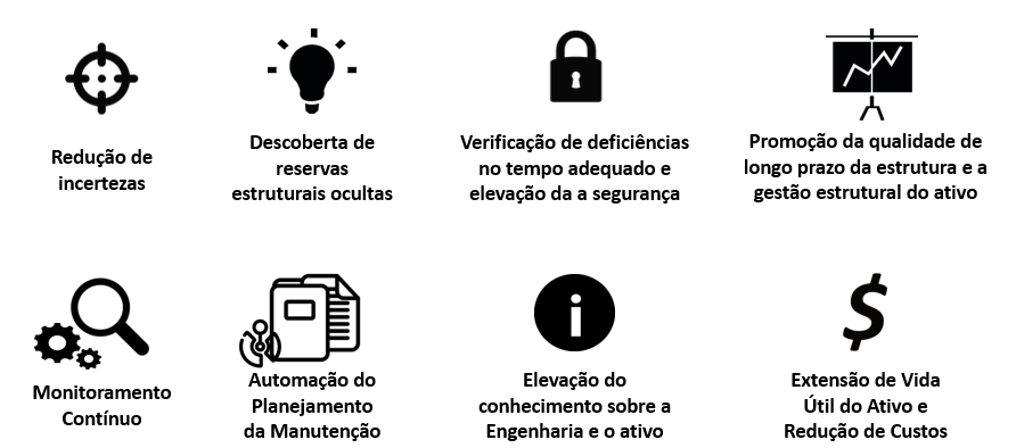
Figure 4: Use of new technologies in addition to sensors - SOURCE: JRC/TRIMIS.
In short, SHM is a process that allows companies to better manage their assets, but it requires specific technologies, trained professionals and a corporate culture aligned with predictive and prescriptive actions rather than corrective measures.
If you are looking for real SHM applications in the market, Kot Engenharia stands out in the national and international market with more than 30 years of experience, offering high-level engineering services to large companies. Contact our team for more information!
Follow our pages on LinkedIn, Facebook e Instagram to keep up with our content.
FAQ
1. O que é o SHM e por que ele é comparado ao sistema nervoso humano?
O SHM é o conjunto de estratégias e tecnologias voltadas para a caracterização, localização e detecção contínua de danos em ativos de engenharia. A analogia com o sistema nervoso ocorre porque o SHM replica a estrutura sensorial biológica:
-
Receptores e Nervos (-> Sensores e Cabeamento): Células de carga, extensômetros (strain gauges) e acelerômetros instalados nos pontos críticos capturam as deformações e vibrações físicas;
-
Vias Aferentes (-> Rede de Transmissão): Transmitem os sinais elétricos ou digitais até as centrais de processamento;
-
Cérebro (-> Sistema de Processamento e Diagnóstico): Processa os dados brutos, cruza com históricos e emite alertas ou diagnósticos em tempo real sobre a condição da estrutura.
2. Como o SHM calcula o consumo de vida útil por fadiga de forma real?
Na engenharia tradicional, o cálculo de fadiga é feito com base em estimativas e premissas teóricas de carregamento. Com o SHM, a estrutura passa a registrar as tensões e ciclos operacionais efetivamente sofridos durante o trabalho. O software do sistema correlaciona a variação de carga medida com as curvas de resistência do material, calculando o dano acumulado em tempo real. Dessa forma, a vida útil restante (prognóstico) é atualizada continuamente sem a necessidade de recomputar modelos teóricos a cada evento.
3. Quais são os componentes essenciais de um fluxo de informação em SHM?
Um sistema completo de monitoramento estrutural abrange quatro camadas integradas:
| Camada do Sistema | Função Principal | Exemplos |
| 1. Sensoriamento do Ativo | Medir grandezas físicas diretamente relacionadas aos danos estruturais | Células de carga, acelerômetros, extensômetros e LVDTs |
| 2. Aquisição e Transmissão | Converter o sinal físico em sinal elétrico/digital e transmitir sem ruído | Módulos DAS, nós de rede sem fio e barramentos industriais |
| 3. Diagnóstico e Alertas | Identificar sobrecargas operacionais e emitir avisos preventivos | Alertas visuais/sonoros e dashboards de fadiga acumulada |
| 4. Prognóstico e Gestão | Calcular a vida residual e integrar com os planos de manutenção | Schedulers de inspeção preditiva e modelos de Inteligência Artificial |
4. De que forma o SHM otimiza as rotinas de inspeção e manutenção?
Em vez de realizar inspeções por intervalos fixos de tempo (manutenção preventiva tradicional), o SHM viabiliza a manutenção sob demanda e orientada ao risco:
-
Antecipação de inspeções: Se o equipamento for submetido a uma sobrecarga severa, o sistema dispara um alerta recomendando inspecionar imediatamente os pontos suscetíveis a trincas por fadiga;
-
Postergação segura: Se o ativo operar abaixo da capacidade máxima por longos períodos, o acúmulo de dano será baixo, permitindo adiar inspeções dispendiosas com respaldo de dados;
-
Priorização de componentes: Identifica quais partes sofrem maior variação de carga (por exemplo, a lança de uma máquina de pátio em relação ao seu carro inferior), direcionando o foco da equipe técnica para onde o risco de falha é maior.
5. Quais são os 8 principais benefícios de implementar o SHM em plantas industriais?
-
Redução de Incertezas: Toma decisões com base no comportamento real da estrutura, eliminando dúvidas sobre carregamentos efetivos;
-
Descoberta de Reservas Estruturais Ocultas: Identifica se o material está operando com folga de capacidade, permitindo estender o uso ou aumentar a carga com segurança sem intervenções físicas;
-
Detecção Precoce de Anomalias: Permite reparos simples antes que o dano evolua para trincas profundas ou colapso estrutural;
-
Gestão de Qualidade do Ativo: Acompanha o surgimento de defeitos desde a fase de fabricação/montagem até a operação contínua;
-
Elevação do Conhecimento de Engenharia: Os dados do comportamento em campo alimentam novas premissas de projeto para futuras máquinas mais eficientes;
-
Monitoramento Contínuo ($24/7$): Histórico ininterrupto de dados para comparativos de desempenho e análise de tendências;
-
Extensão da Vida Útil: Ações preditivas precisas prolongam a durabilidade da estrutura mantendo os coeficientes de segurança;
-
Redução de Custos de Manutenção: Evita paradas não planejadas e substitui grandes intervenções corretivas por reparos preventivos pontuais.
6. Como o histórico de dados gerado pelo SHM impulsiona a Inteligência Artificial na engenharia?
O funcionamento contínuo do SHM consolida um grande banco de dados (Big Data) sobre os ciclos de carga e resposta do ativo ao longo dos anos. Ao aplicar algoritmos de Inteligência Artificial e análise estatística avançada sobre esse histórico, a empresa passa a prever comportamentos anômalos com antecedência, ajustando parâmetros operacionais para maximizar a utilização da máquina sem comprometer a integridade física.
Reference:
[1] BALAGEAS, Daniel; FRITZEN, Claus-Peter; GÜEMES, Alfredo (Ed.). Structural health monitoring. John Wiley & Sons, 2010.