
Background
In order to offer an engineering solution aimed at promoting the care and management of its clients' assets, Kot Engenharia developed CARE: Control of Assets for Structural Revitalization. As the name implies, the focus of this methodology is to take care of assets by promoting structured control over them and mitigating the risks associated with the use of equipment and structures.
The methodology is divided into six main stages, establishing a journey that enables better maintenance and Structural Integrity the asset. An overview of these stages can be seen in Figure 1:
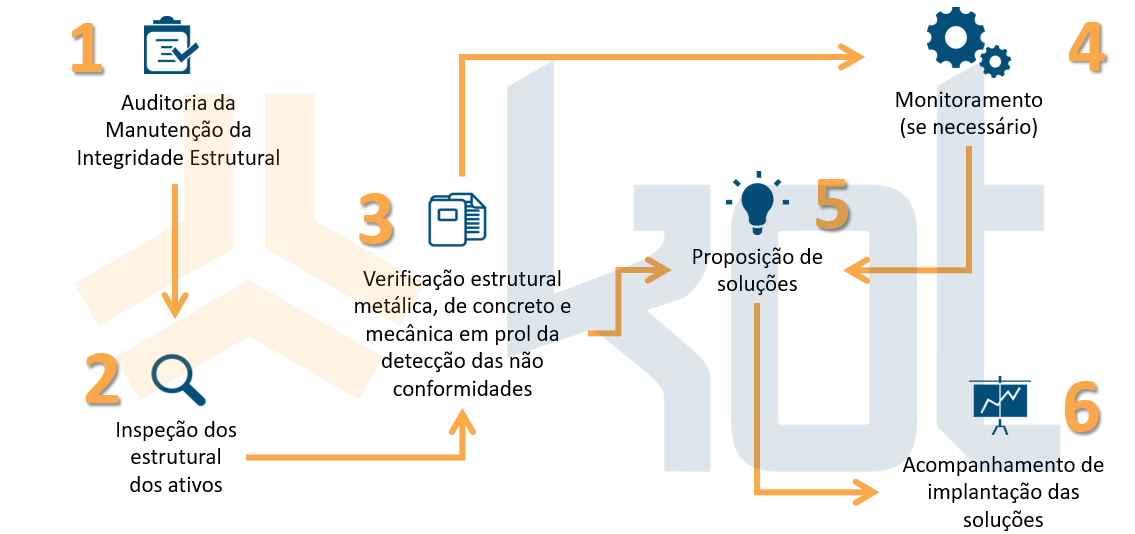
Figure 1: CARE Methodology - SOURCE: Kot Collection.
Throughout the entire process, CARE relies on risk management as recommended in the ISO 31000 standard on Risk Management, as shown in Figure 2. It is important to note that risk cannot be eliminated from human activity. However, the use of engineering methodologies to mitigate risk can lead to cost savings, prevent catastrophic failures, and save lives.

Figure 2: Risk Management - SOURCE: ISO-31000.
Benefits of the Methodology
Based on the company’s experience over the years, Kot has observed that improper engineering practices pose a very high risk to Structural Integrity assets and can cause serious accidents. In this regard, the CARE methodology presented here specifically addresses the key stages of asset management and control, offering a range of benefits to its clients. Thus,implementing this methodology provides the following advantages:
-
- Security:
First and foremost, proper design, good structural maintenance, and correct use of structures are fundamental to safety. Failures can lead to production losses, injuries, or loss of life; therefore, the risk of structural failure is directly linked to the condition of the structures;
-
- Economic:
In addition to the safety aspect mentioned above, the CARE methodology offers significant economic benefits, since the engineering investment costs for this type of solution are negligible compared to any potential accidents that might occur. Among the main benefits are the following losses and costs that can be avoided with the proposed solution:
-
- Loss of profit from downtime;
-
- Fines and demurrage due to late deliveries of products;
-
- Urgent labor costs for renovations, salvaging structures, replacing components/equipment, handling equipment, etc. Vale noting that these urgent costs are generally higher than scheduled activities.
-
- Financial:
In addition, it is possible to achieve benefits related to reducing the number of unscheduled shutdowns. As a result, it is possible to reach a higher level of productivity, which, in turn, can generate a higher financial return on investment. Furthermore, OPEX can be reduced due to fewer future preventive and unwanted corrective shutdowns.
-
- Branding and Image Management:
Similarly, one of the most valuable assets a company possesses is linked to its brand and reputation among its stakeholders and society as a whole. Accidents can result in irreparable damage to a company’s image, and it is difficult to assess this damage in financial terms given its intangible nature. Therefore, ensuring the organization’s sustainability and long-term survival requires addressing and mitigating potential business risks. Investing in preventive methodologies reinforces the company’s ethical and sustainable stance and its commitment to its immediate environment (employees, the environment, and society).
CARE in practice
The CARE method in question is at a very mature stage and is currently being developed in different clients of the company, allowing for greater control in Asset Management.
In addition, this service can be applied to plants of various sizes and processes involving a range of structures and equipment, such as belt conveyors, car dumpers, forklifts, reclaimers, transfer stations, and buildings, among others.
The aim of its implementation is to guarantee the maintenance of Structural Integrity and the control of assets covered by CARE, acting on existing non-conformities, predicting possible occurrences of undesirable events and extending useful life in accordance with the best engineering practices.
In order for equipment to achieve the expected performance until the end of its useful life, it is necessary to identify relevant aspects that involve a series of events related to the asset's life cycle, from its operation to its maintenance plan.
To illustrate what has been explained above, here are the main phases that make up the CARE methodology:
-
- Structural Integrity maintenance audit
Its aim is to audit the existing Structural Integrity inspection, planning and execution processes, as well as related processes that influence the integrity condition of assets, such as detective, sensitive and predictive inspection routines that contribute to their preservation and good operating conditions. The items checked by the Audit take into account the requirements of ISO 55.001 and good engineering practices, in both the management and technical dimensions.
-
- Inspection of assets
To check the condition of assets, one of the methods initially applied is to carry out sensitive structural inspections. This can be done at âvisual and with the aid of non-destructive tests (liquid penetrant, ultrasound, magnetic particle) to identify discontinuities that are not perceptible to the human eye, such as internal cracks and weld flaws. If any deviation is classified as critical, emergency action can be taken to act immediately and prevent structural collapse.
-
- Civil, structural and mechanical checks
This is usually the longest stage of the study, which involves using technical engineering knowledge combined with computer resources to carry out checks on steel, civil and mixed structures, as well as checking the main mechanical components. Most cases involve computer simulation using the Finite Element Method (FEM).
-
- Monitoring
Occasionally, it is necessary to acquire data in the field to verify the behavior of the structure in the operating condition to which it is subjected. Various techniques are used for this, such as the installation of strain gauges to obtain stress/strain and monitoring the vibration condition, either by installing an accelerometer or by using trationing.
-
- Proposing solutions
Once the non-conformities have been identified and analyzed, solutions are proposed that are in line with the client's needs. Alternatives can be discussed in terms of cost, efficiency and implementation time to assist in the decision-making process. In general, drawings are provided for the reinforcements and/or modifications required to maintain Structural Integrity.
-
- Monitoring the implementation of solutions
In order for the Structural Integrity assets to be achieved, in accordance with the recommended standards, and for risks to be mitigated, the correct installation of modifications or reinforcements is necessary. Incorrect practices are common when reinforcing, for example, which can represent a major structural risk. The main literature on the subject recommends that this service be carried out under the supervision and monitoring of structural specialists, thus avoiding the incorrect practices mentioned above.
Ideally, the six steps presented should be carried out to increase the reliability of Structural Integrity. Any deviations identified and resolved by an efficient Structural Inspection , for example, may not be sufficient on their own if maintenance planning is not adequate to monitor and act on the critical points mapped.
For various reasons, it's not always possible to work on all the fronts envisaged by the methodology. Kot therefore seeks to understand the specific needs of each client and work on the stages appropriate to each situation. Contact our team for more information!
Follow our pages on LinkedIn, Facebook e Instagram to keep up with our content.
FAQ
1. O que é a Metodologia CARE e qual é o seu propósito na engenharia?
A metodologia CARE (Controle de Ativos para a Revitalização Estrutural) é uma abordagem sistêmica criada pela Kot Engenharia para gerenciar e prolongar a vida útil de ativos industriais. O seu propósito principal é mitigar os riscos inerentes à operação de equipamentos pesados e estruturas complexas, garantindo que operem dentro dos limites normativos de segurança através de controle contínuo e intervenções de engenharia preventivas.
2. Como a norma ISO 31000 se relaciona com a aplicação do CARE?
A ISO 31000 estabelece diretrizes internacionais para o gerenciamento de riscos. A metodologia CARE adota essa norma como espinha dorsal: reconhece que o risco em atividades industriais não pode ser totalmente eliminado, mas que pode ser quantificado, monitorado e mitigado. O investimento em engenharia consultiva é utilizado como a principal ferramenta para reduzir a probabilidade de falhas catastróficas e o impacto de eventos indesejados.
3. Qais são as 6 etapas que estruturam a jornada da Metodologia CARE?
A metodologia é composta por um ciclo contínuo em seis fases:
-
Auditoria da manutenção: Avaliação das rotinas de inspeção e gestão à luz da norma ISO 55001;
-
Inspeção dos ativos: Vistorias sensitivas e Ensaios Não Destrutivos (ENDs) como ultrassom e líquido penetrante;
-
Verificação civil, estrutural e mecânica: Simulações computacionais avançadas utilizando o Método dos Elementos Finitos (MEF);
-
Monitoramento: Extensometria (strain gauges), acelerometria e análise de vibração por tratamento de imagem;
-
Proposição de soluções: Elaboração de projetos executivos de reforço e adequação geométrica;
-
Acompanhamento da implantação: Supervisão técnica in loco durante a montagem dos reforços para evitar falhas de execução.
4. Qual a diferença entre a auditoria da manutenção (Etapa 1) e a inspeção dos ativos (Etapa 2)?
A auditoria foca na dimensão de gestão e governança, verificando se os planos de manutenção, rotinas sensitivas/preditivas e históricos de intervenção estão aderentes às melhores práticas e à norma ISO 55001. Já a inspeção é a verificação física e prática do ativo em campo, onde engenheiros realizam medições dimensionais e aplicam ENDs para mapear trincas, corrosão e descontinuidades nas estruturas.
5. Quais técnicas de instrumentação são utilizadas na etapa de monitoramento?
Na etapa de monitoramento, a engenharia instala sensores diretamente na estrutura em operação para validar os modelos teóricos:
-
Strain gauges (extensores elétricos): Medem as deformações e tensões reais suportadas pelo material durante o ciclo de trabalho;
-
Acelerômetros: Registram a amplitude e frequência de vibrações operacionais;
-
Tratamento de imagem: Análise óptica para mapeamento de deslocamentos e modos de vibração sem contato físico.
6. Quais são os impactos financeiros e operacionais de implementar a metodologia CARE?
A implementação do CARE gera retornos tangíveis e intangíveis:
-
Ganhos Financeiros/Econômicos: Redução drástica do OPEX pela diminuição de paradas corretivas emergenciais (que custam significativamente mais que as programadas), eliminação de multas por demurrage e prevenção de perdas por lucro cessante;
-
Segurança e Branding: Proteção da vida dos colaboradores, prevenção de desastres ambientais e fortalecimento da imagem corporativa (ESG) junto ao mercado e investidores.