To ensure the safety of a large forklift, Kot Engenharia a comprehensive structural, mechanical, and electrical assessment of the equipment. The study included field ultrasonic and extensometer tests, calibrated using a computational model via FEMAP®, with dynamic transport simulations in Helix-DeltaT6 software and compliance audits against NR 10 and NBR 5410 standards. As a result, we designed precise reinforcements for the swing and counterweight mechanisms, in addition to developing an automation modernization (retrofit) plan to eliminate obsolescence and extend the equipment’s service life.
Want to understand how this multidisciplinary analysis prevented unexpected downtime? Keep reading!
1. Field Inspection and Non-Destructive Testing (NDT)
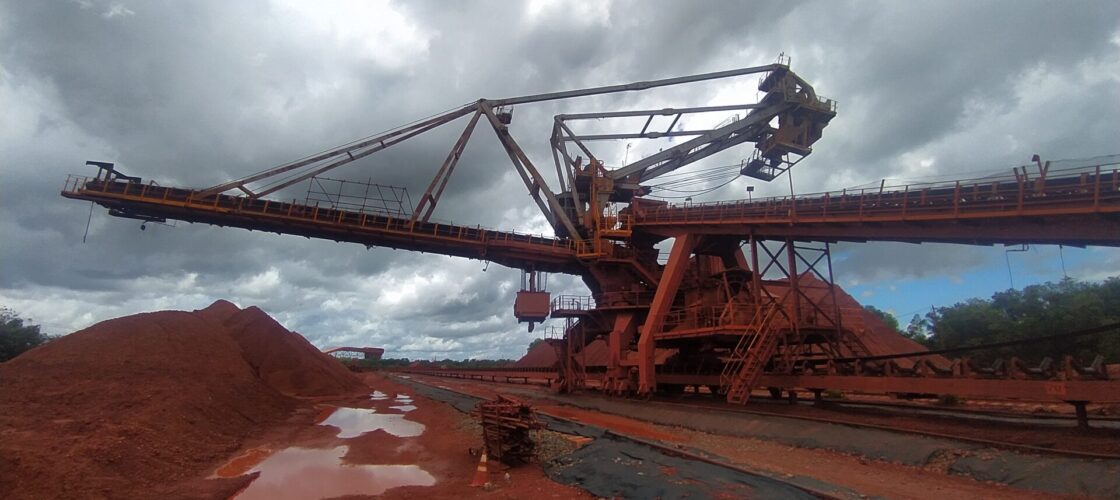
Kot Engenharia responsible for verifying the Structural Integrity, mechanics, and electrical systems of a bauxite forklift belonging to one of its clients. To this end, the service in question began with an on-site visual inspection and non-destructive testing (ultrasound) of the articulation pins, with the aim of verifying the overall condition of the equipment. As can be seen below, Figure 1.1 provides an overview of the asset.
Figure 1.1: Overview of the forklift.
During field service, a visual inspection was performed to identify areas of the equipment with Structural Integrity due to the presence of pathological manifestations. The survey resulted in photographic records with defect mapping, enabling damage classification using the GUT matrix and the definition of corrective actions. Among the results obtained, the non-conformities recorded in Figure 1.2 were evaluated according to Table 1.1.
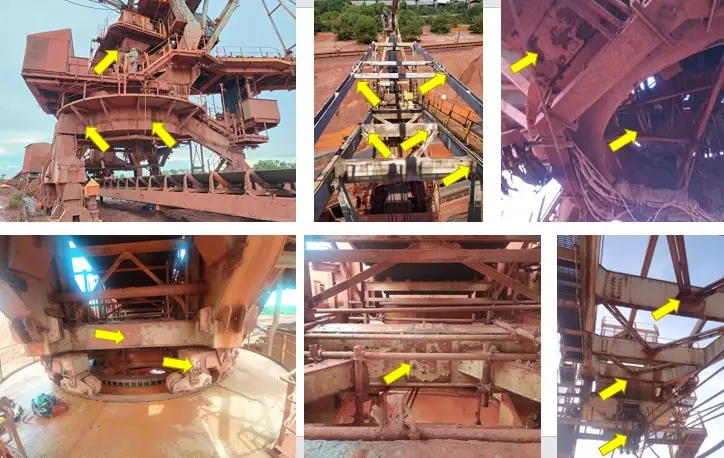
Figure 1.2: General appearance of corrosion on the forklift.
Table 1.1: Prioritization of corrections by forklift records.
Following completion of the visual inspection stage, an ultrasound scan was performed on the joint pins. Figure 1.3 shows evidence of the procedure applied to the base of the turntable.
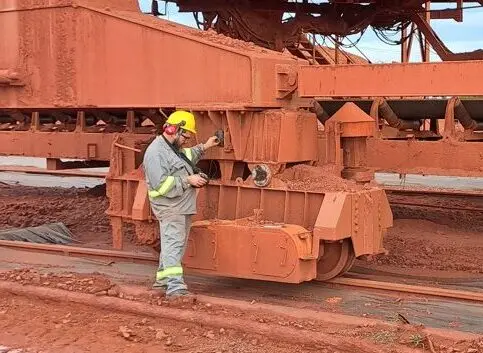
Figure 1.3: Ultrasound test performed on the base of the turntable.
Based on the results obtained, it was possible to assess the recommended corrective intervention priorities. Thus, the actions include cleaning the structure, replacing damaged components, revitalizing corroded parts, and performing complementary structural analysis to precisely define the measures.
2. Instrumentation and Finite Element Structural Analysis
Subsequently, extensometry was performed at specific points on the forklift for subsequent calibration of the computational model to be used in structural checks. Figure 1.4 and Figure 1.5 show graphs of deformations over time, obtained from extensometric measurements, in relation to the rotation and tilting movements of the boom, respectively.
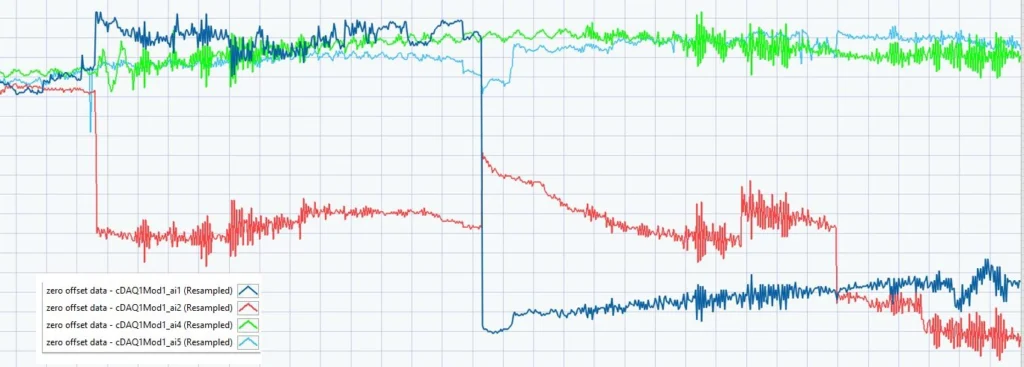
Figure 1.4: Deformations obtained in extensometry – Boom rotation movements.
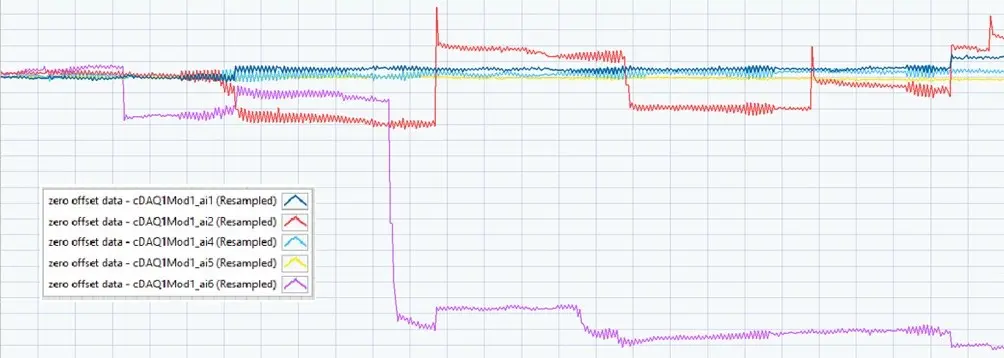
Figure 1.5: Deformations obtained in extensometry – Tilting movements of the boom.
Next, for the structural analysis, a finite element model was developed using FEMAP® software. The model was calibrated by comparing the deformation variations obtained from the calculations with those recorded by the extensometers.
Thus, after calibration, for the rotational movement, a comparison was made between the deformations of the model and the measurements, varying the tilt. This yielded satisfactory results without the need for mass adjustments to calibrate the computational model.
Thus, once calibration was complete, a structural assessment was performed using finite elements, considering the loads and analysis criteria described in the applicable standards. Among the integrity studies carried out, static, modal, fatigue, and buckling assessments were performed using finite elements, in addition to connection and overall stability analyses.
As a solution to the structural non-conformities identified in the forklift, Kot proposed reinforcements at critical points of the machine, including the swivel mechanisms, the intermediate gantry of the tripper, the mast, the counterweight, and its support. These reinforcements were dimensioned based on studies and aim to increase operational safety, ensure Structural Integrity extend the equipment's service life, being considered effective in meeting the requirements of the most demanding regions. As a result, Figure 1.6 below shows the results of the structural analysis before and after the application of reinforcement plates to the slewing rings. In addition, Figure 1.7 shows the results of the counterweight evaluation.
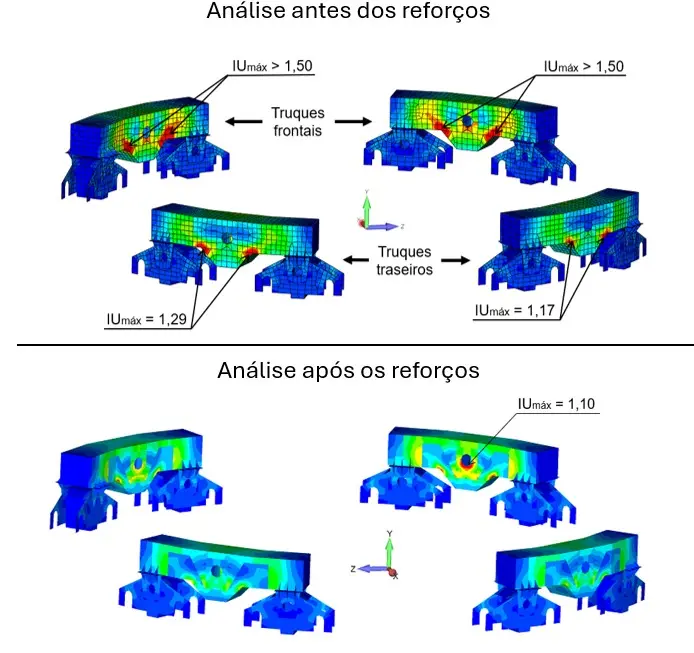
Figure 1.6: Utilization indices in the shell element of the turning tricks.
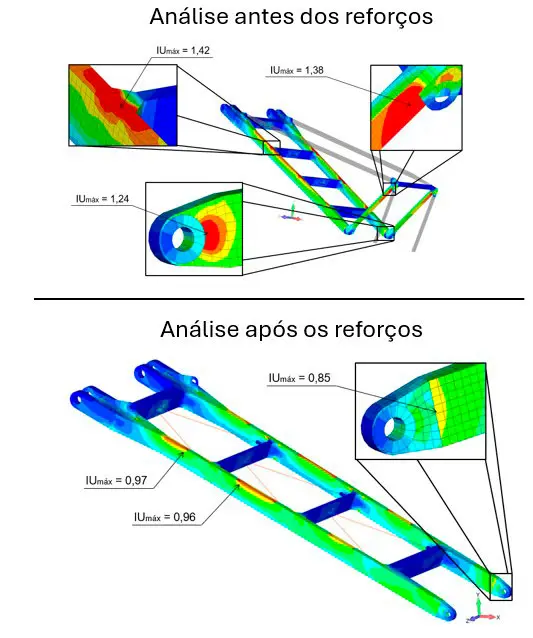
Figure 1.7: Wear rates on counter-blade shell elements.
3. Mechanical Checks and Conveyor Simulation
The equipment also presented recurring operational instabilities, which prompted a technical study to support the decision between refurbishment or replacement. Thus, mechanical checks and discontinuity analyses were performed on the main systems, with the support of Helix-DeltaT6 software for conveyor modeling, allowing for accurate assessment of component conditions and guiding decision-making. Figure 1.8 shows the conveyor profile in the software in question.
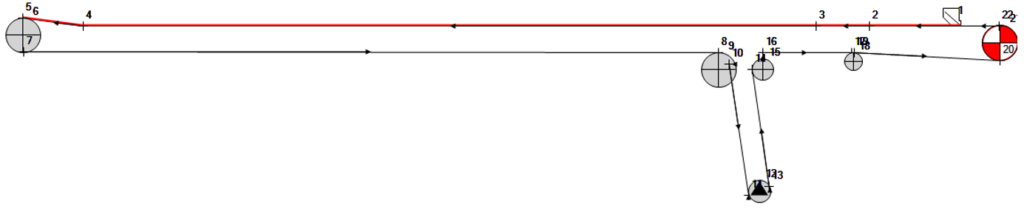
Figure 1.8: Belt conveyor profile in Helix-DeltaT6 (0°).
As a result, this study identified critical performance issues and reduced service life in systems such as conveyors, rotation, translation, and tilting, in addition to indicating necessary adjustments, such as repowering motors, adjusting shafts and rollers, correcting stretching strokes, and replacing non-compliant components. This made it possible to provide technical support for the decision between refurbishing or replacing the equipment, ensuring operational safety and compliance with regulatory standards.
4. Electrical Analysis, Regulatory Compliance, and Retrofit
In turn, during the analysis of electrical equipment, another problem identified in the forklift was failures resulting from its advanced age and the discontinuity of various electrical and automation components. In addition, much of this equipment was no longer available on the market or was at the end of its useful life, in addition to non-conformities identified in standards such as NBR 5410 and NR 10. This situation made it urgent to assess operational reliability and propose solutions.
To this end, a detailed survey of the electrical and automation systems was conducted, including cable and fuse sizing, analysis of the availability of PLCs, modules, and frequency inverters on the market, and verification of compliance with technical standards. In addition, motors and their protection systems were evaluated, identifying obsolete equipment, replacement alternatives, and risk points related to performance and safety.
Therefore, the study concluded that, although occasional replacements could extend the system's useful life, the most consistent solution would be to consider a new project for the complete modernization of the forklift's automation, given the age of the equipment and the outdated technologies in use. It recommended replacing relays with smart models, upgrading circuit breakers, and gradually replacing discontinued modules to ensure greater operational reliability, electrical safety, and integration with current technologies.
5. Conclusion
The work carried out on the forklift identified significant measures to improve theasset's reliability and operational safety.
If you, like our more than 150 clients, are looking for specialized engineering or failure prevention solutions, consult our team and count on Kot Engenharia.
Since1993, we have been providing engineering consulting services through technical studies that utilize non-destructive testing, field instrumentation, andcomputational simulations(FEM, DEM, and CFD) for highly complex diagnostics of concrete and steel structures and industrial equipment.
Follow our pages on LinkedIn, Facebook and Instagram and continue to follow our content.
FAQ
1. How did the GUT Matrix help prioritize repairs to the forklift?
The GUT Matrix (Severity, Urgency, and Trend) was used to systematically classify the defects and corrosion spots identified during the on-site visual inspection. The mapping classified the nonconformities into intervention priority levels: 11 with Very High priority, 16 with High priority, and 3 with Medium priority. This numerical guidance allowed the client to schedule maintenance shutdowns, addressing the areas of imminent risk first.
2. How was field strain measurement used to calibrate the computational model?
The team installed extensometers at strategic points on the forklift to record the actual physical deformations that occurred during the boom’s rotation and tilting movements. This time-series data was imported and compared with the numerical results from the finite element model developed using FEMAP® software. The direct agreement between the measured and simulated deformations validated the computational model without the need for artificial mass adjustments, ensuring absolute accuracy in subsequent structural simulations.
3. Which parts of the forklift required structural reinforcements, and why?
análise por elementos finitos which included static, modal, fatigue, buckling, and global stability analyses) revealed high material utilization rates in critical areas under design loads. To restore safety margins and extend the asset’s service life, Kot designed and proposed specific structural reinforcements for the slewing gears, the intermediate gantry of the tripper, the mast, the counterweight, and its respective support.
4. How did the Helix-DeltaT6 software assist in the analysis of the equipment's mechanical systems?
In light of recurring operational instabilities, the Helix-DeltaT6 software was used to create a dynamic profile of the forklift’s belt conveyors. The model revealed capacity limitations and reduced service life in the translation, rotation, and tilting systems. Based on these simulations, it was possible to determine the exact corrective actions for the mechanical components, such as repowering electric motors, adjusting belt tension, and modifying the dimensions of shafts and rollers.
5. Why did the electrical study recommend a complete retrofit instead of isolated repairs?
An analysis of the electrical and automation systems revealed a severe risk of downtime due to the forklift’s advanced age. Many critical components, such as PLC modules and frequency inverters, have already been discontinued by the manufacturers and are no longer available on the market for replacement. In addition, non-compliance with safety standards NBR 5410 and NR 10 was identified. To ensure long-term reliability, the technical recommendation was for a complete retrofit project, replacing obsolete components with smart relays and updated circuit breakers.