
Ensuring the safety and durability of large-scale thickeners requires integrated and accurate diagnostics. In this study, Kot Engenharia a comprehensive structural assessment of a concentrate thickener that exhibited cracks, leaks, and waterproofing failures. Through a detailed visual inspection using the GUT Matrix classification, field tests (carbonation, sclerometry, ultrasonography, and pacometry), and finite element modeling, low-quality concrete and corrosion were identified on the inner sidewall and in the access tunnel. The corrective solution combined localized metal reinforcement with the application of carbon fiber mats, quickly restoring the structure’s load-bearing capacity without the need for demolition.
Would you like to understand in detail how each test was conducted and take a look at the computational models for this project? Keep reading the article below!
Introduction
Concentrate thickeners are essential equipment in mineral processing plants, playing a critical role in pulp thickening and overall production process performance. Due to their large dimensions, complex geometries, and severe operating conditions, these structures are subject to high stresses and progressive deterioration mechanisms throughout their service life. Thus, Structural Integrity assessment Structural Integrity essential to ensure operational safety, reliability, and durability of the asset.
In this sense, this article presents a study conducted by Kot Engenharia on the inspection, structural analysis, and proposal of corrective solutions in a large thickener. The objective is to demonstrate how an integrated approach, combining field inspections, technical tests, and numerical modeling, allows for the identification of the causes of observed pathological manifestations and the implementation of efficient interventions aligned with the actual needs of the asset.
Characterization of the asset and scope of the appraisal
Kot Engenharia responsible for the structural assessment of a concentrate thickener, covering its reinforced concrete base, sides, underground structures, and associated metal structures. This is a large piece of equipment, whose size and geometry required in-depth studies of its structural behavior. Figure 1 shows the internal region of the thickener.
The asset presented significant pathological manifestations, such as cracks, leaks, failures in the waterproofing system, and defects in the asphalt blanket. Given these conditions, the study was conducted not only to understand the visible effects, but also to identify the structural causes that compromised the system's performance. This precision in the diagnosis was the result of a careful definition of the scope, based on attentive technical listening to the client's demands, ensuring total alignment between the objectives of the study and the challenges presented by the asset.
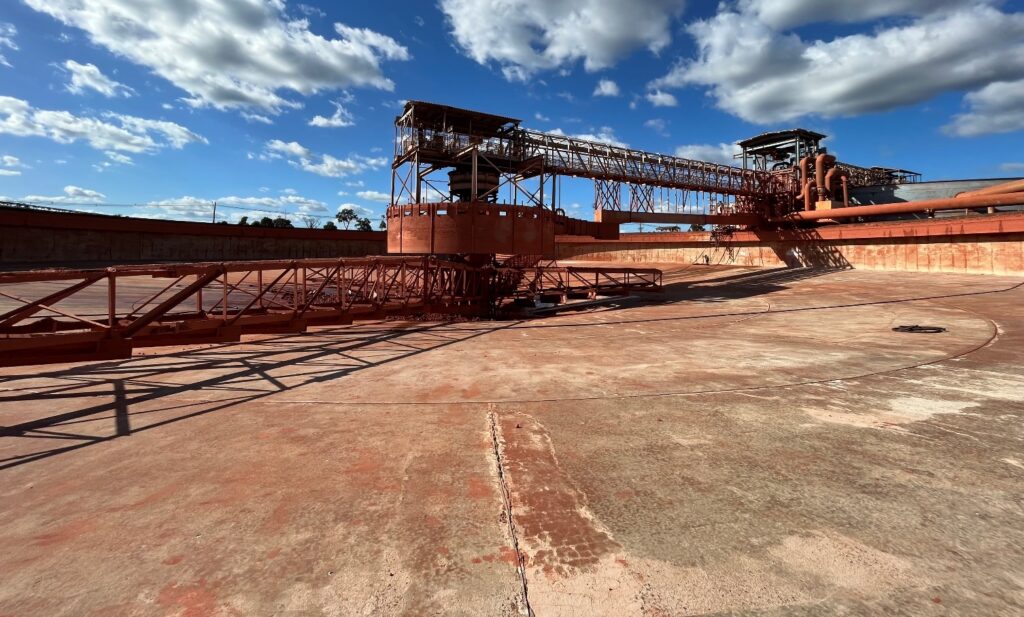
Figure 1: Internal area of the thickener.
Inspections and tests for structural diagnosis
For the diagnosis, field inspections, non-destructive and semi-destructive tests, photographic records, and a detailed survey of structural conditions were carried out.
First, during field service, a thorough visual inspection was carried out to check the overall structural condition. The survey allowed for the systematic mapping of pathological manifestations, enabling the classification of damage using the GUT matrix and the definition of priorities for corrective actions. In this sense, this step was essential to direct interventions objectively, ensuring focus on the most critical areas. Figures 2.1, 2.2, 2.3, and 2.4 show examples of pathological manifestations identified in the thickener structures.
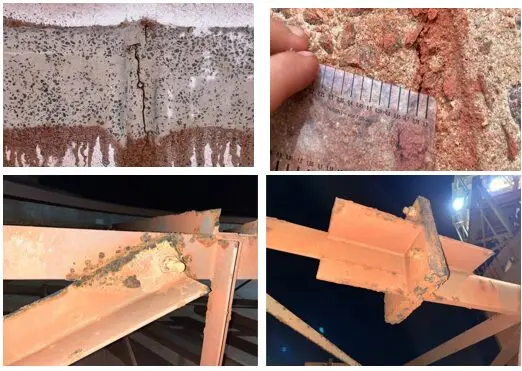
Figures 2.1, 2.2, 2.3, and 2.4: Identified pathological manifestations.
Subsequently, tests were performed on the bottom slab, internal and external sides, and the active pit, which were essential for assessing the integrity of the concrete and identifying signs of deterioration. The tests indicated advanced carbonation, with a potential risk of corrosion of the reinforcement, while the sclerometry confirmed compressive strength values compatible with the design parameters. Ultrasound, combined with pacometry, revealed internal discontinuities and variations in concrete quality. The test points were previously defined and are illustrated in Figure 3.
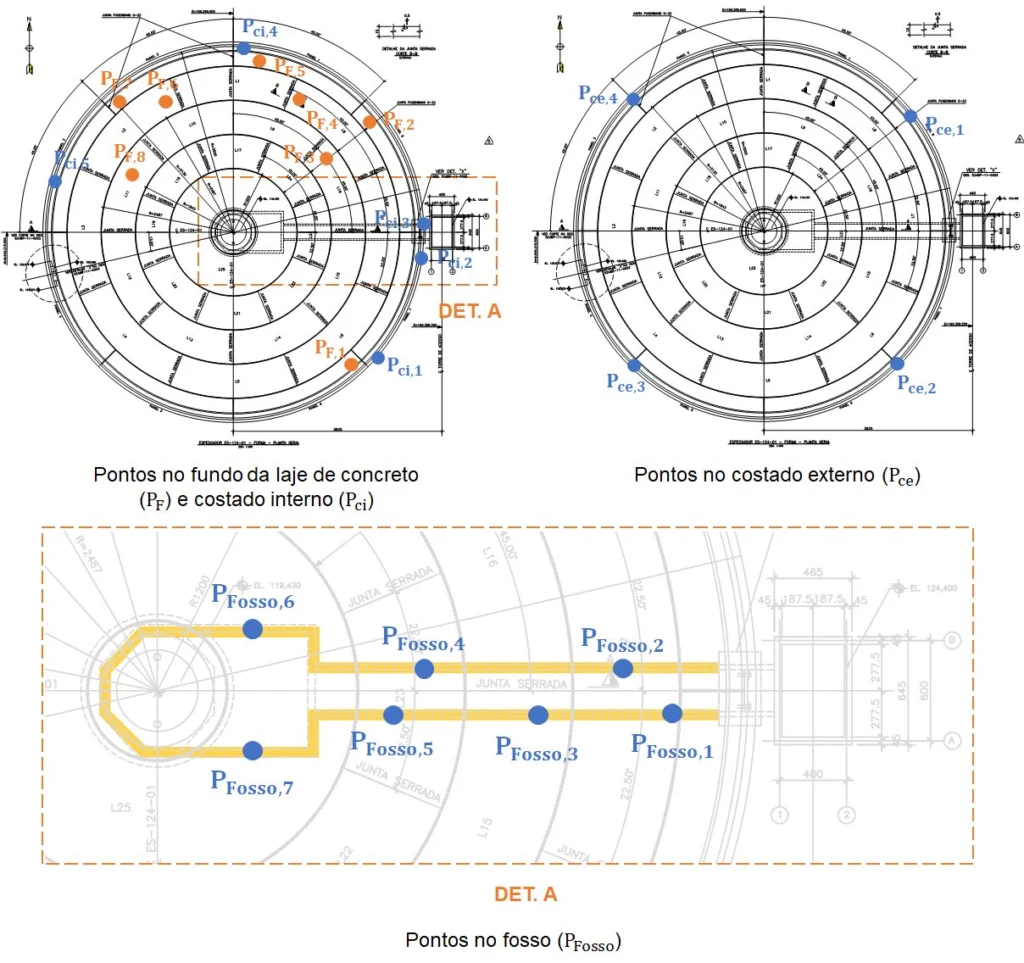
Figure 3: General map showing the location of the test points.
However, the results showed that, even with satisfactory overall mechanical resistance, there were durability issues in specific areas, such as the inner sidewall and access tunnel, with corrosion and low-quality concrete.
Numerical modeling and structural analysis
Based on data obtained in the field, Kot Engenharia detailed computational models of the thickener and its associated structures. Finite element analyses were performed to evaluate the acting forces and verify the resistance capacity, in accordance with current regulatory criteria. Figures 4.1 and 4.2 show the computational models used to evaluate the reinforced concrete and metal structures.
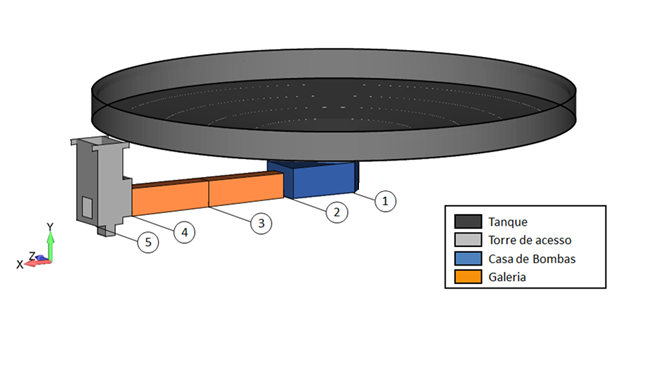
Figure 4.1: General arrangement (Femap with NX/Nastran). Adapted.
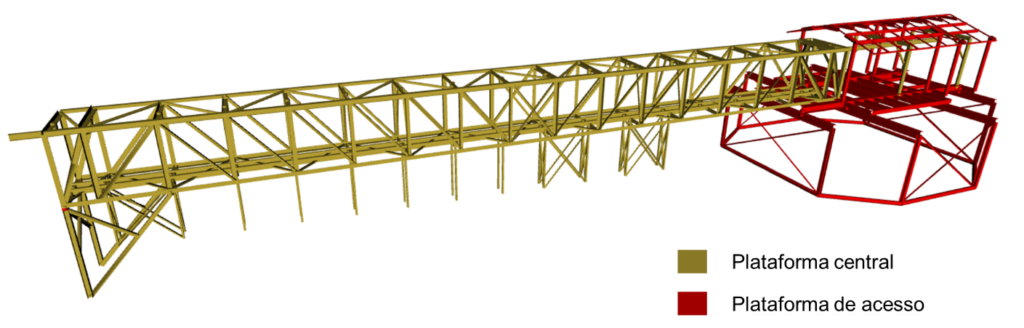
Figure 4.2: Metal structure of the platform (Procal ).
Thus, the integrated analysis made it possible to correlate the numerical results with the evidence observed in the field, confirming the most requested regions and those with the greatest structural vulnerability, providing a solid technical basis for defining reinforcement solutions.
Proposals for intervention and Structural Reinforcement
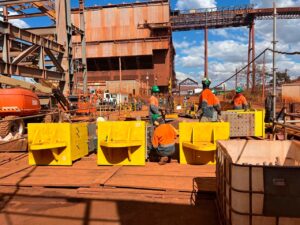
After completing the structural assessments, corrective and reinforcement measures were proposed with the aim of restoring the integrity and extending the useful life of the structure. The measures included localized reinforcement of the reinforcement, reinstallation of the waterproofing system, improvements to the metal platform with replacement of elements and reinforcement of structural components, as well as the application of carbon fiber blankets in critical areas.
In fact, the combined use of metal reinforcements and carbon fiber systems provided efficient and quick solutions, combining increased resistance capacity and deformation control without the need for major demolition work. Figures 5.1 and 5.2 illustrate some of the recommended solutions.
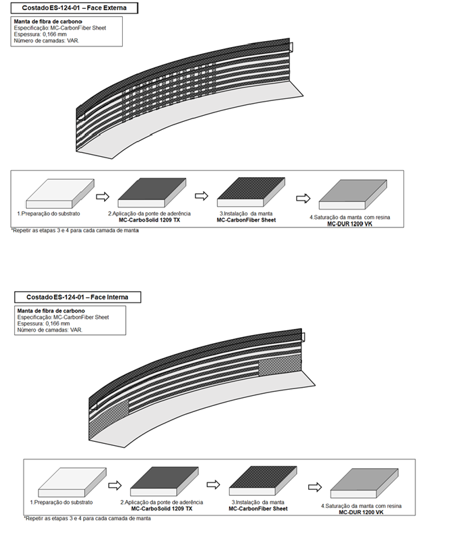
Figure 5.1: Carbon fiber reinforcement – side.
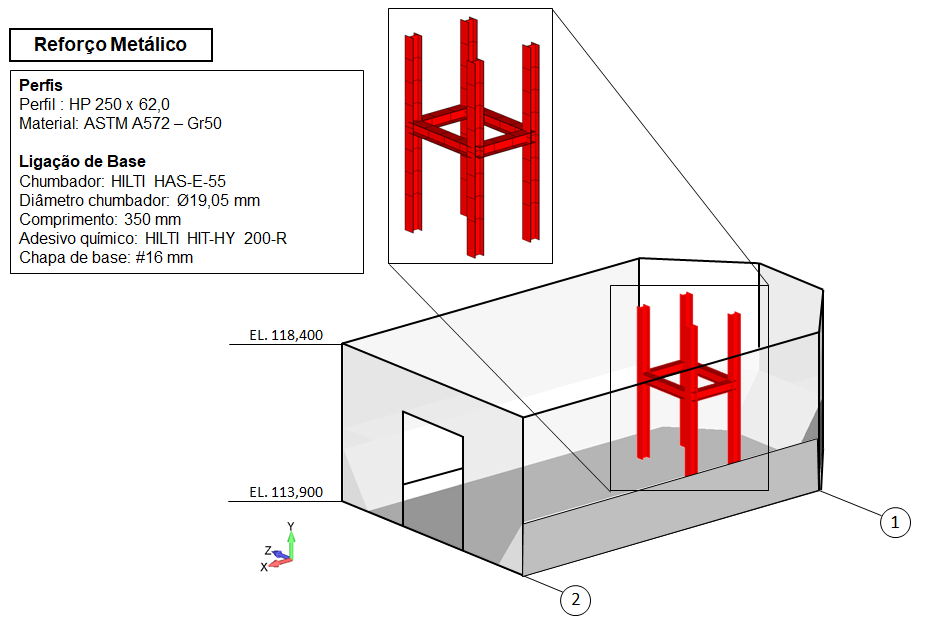
Figure 5.2: Metal reinforcement – Pump house.
Conclusion
The study highlighted the importance of an integrated approach to assessing the Structural Integrity large industrial assets. The combination of field inspections, technical tests, and numerical modeling enabled a reliable diagnosis and the definition of accurate solutions, aligned with the actual needs of the thickener.
In this sense, the experience presented reinforces Kot Engenharia expertise Kot Engenharia conducting complex structural assessments, offering solutions that guarantee safety, performance, and durability for industrial assets. Finally, companies seeking to increase the reliability of their structures and reduce operational risks can count on Kot to develop comprehensive diagnostics and assertive intervention strategies.
Contact our team and learn about our solutions in Structural Integrity specialized engineering.
Follow our pages on LinkedIn, Facebook and Instagram and keep following our content.
FAQ
1. What were the main problems and pathological findings observed in the thickener?
The inspected asset exhibited significant surface and structural damage that compromised its operational performance. Among the main problems identified by the technical team were the presence of cracks, pulp leaks, visible flaws in the waterproofing system, and defects in the integrity of the protective asphalt membrane.
2. How was the GUT Matrix used during the field inspection phase?
The GUT Matrix (Gravity, Urgency, and Trend) was applied immediately after the thorough visual inspection to systematically map and classify all damage found. This methodology made it possible to score and rank the severity of each defect, clearly defining priorities for corrective actions focused on the areas posing the greatest risk to the asset.
3. What tests were performed to evaluate the condition of the structural concrete?
To assess the quality of the concrete in the bottom slab, the side walls, and the pit, destructive and semidestructive tests were combined. The carbonation test indicated a risk of corrosion; the sclerometry test confirmed that the overall compressive strength was within design parameters; and the ultrasonic and pacometry tests revealed internal discontinuities and local variations in material quality.
4. How did finite element modeling (FEM) contribute to the diagnosis?
Kot Engenharia detailed three-dimensional computational models of both the reinforced concrete structures and the metal platforms of the thickener. These numerical simulations made it possible to calculate the applied forces and verify the equipment’s actual load-bearing capacity in accordance with current standards, correlating the virtual data with the failures observed in the field to identify the points of greatest vulnerability.
5. What reinforcement solutions were proposed to rehabilitate the thickener?
Based on the integrated analysis, the engineering team designed a combined intervention plan to extend the asset’s service life. The proposed solutions included localized reinforcement of the rebar, complete reinstallation of the waterproofing, replacement and reinforcement of structural elements on the metal platform and in the pump house, as well as the application of carbon fiber mats to critical areas of the sidewall, ensuring a quick repair without the need for demolition.