A gestão da manutenção é uma estratégia de controle de ativos desenvolvida para evitar quebras imprevistas, eliminar paradas de produção e maximizar a confiabilidade industrial. O sistema combina intervenções periódicas — como a manutenção baseada no tempo (TBM) — e diagnósticos em tempo real — como a manutenção baseada na condição (CBM) —, organizando a planta industrial em quatro etapas essenciais: inventário de criticidade, escolha do modelo de manutenção, plano de execução e monitoramento contínuo.
Veja como estruturar um plano de gestão da manutenção em sua fábrica.
Introduction
Every industry, whether small, medium or large, needs to check and maintain its assets and production lines to an operationally efficient standard. To meet this need, a procedure called Maintenance Management is commonly used, which consists of an asset monitoring and control strategy that aims to prevent the occurrence of non-conformities, such as component and equipment breakdowns and, consequently, unexpected stoppages in the process.
Maintenance engineering can be defined, in the industrial sphere, as the set of activities that make it possible to increase the reliability and availability of assets. Due to inherent market factors, such as the continuous search for improvements in product quality, lead time reductions and increased efficiency, companies have increasingly sought to improve their maintenance techniques in order to maximize these parameters.
According to MIRSHAWKA and OLMEDO (1993), the purpose of the maintenance team is to boost production at the lowest possible cost and with the highest possible quality, all without infringing safety regulations or damaging the environment.
The implementation of this system can often be complicated, due to factors such as the complexity of the methodology, the organization's resistance to change, the implementation of new technologies, or even the proper sequencing of certain activities, which will be exemplified in the course of the article. Therefore, in order to obtain the desired results, maintenance management must begin by adapting and organizing the information available and to be collected, in order to make it manageable.
Development
According to XENOS (1998), maintenance activities exist to prevent the degradation, natural or otherwise, of any equipment or installations. These defects can be characterized in various ways, such as corrosion, deformation, excessive vibrations, noise, high temperatures during operation or even defects that are not perceptible to the human eye. All of these pathological manifestations can cause losses or reductions in the asset's required functions, occurrences which can be due to design or even operating problems.
All the non-conformities described, with the technology currently available on the market, are measurable and detectable through techniques such as extensometry, accelerometry, ultrasound, among other various tests that seek to guarantee the collection of information with the aim of providing greater efficiency in the organization's maintenance management.
Among the various maintenance strategies used, there are those that use time-based maintenance (TBM) and those that use condition-based maintenance (CBM).
TBM aims to carry out periodic interventions, assuming that an asset wears out only through use over time. CBM, on the other hand, intervenes when an anomaly in the equipment's performance is detected.
It can therefore be seen that in both strategies, equipment availability can be increased by collecting the information and parameters mentioned above.
The continuous collection of this data is necessary, as it helps to define deadlines for timely interventions in assets and production as a whole. Despite being a medium- to long-term strategy, maintenance management can, from the moment it is implemented, reduce costs and downtime for asset maintenance, as well as increasing the reliability of the process as a whole.
In order to successfully apply this methodology, it is essential that implementation takes place in the following sequence:
1. survey of the assets present in the plant
First, a list of all equipment and systems requiring maintenance must be made. Next, these assets must be classified according to their criticality, based on their importance to the operation and their current condition. Figure 1 below shows this step being performed by a Kot Engenharia professional.
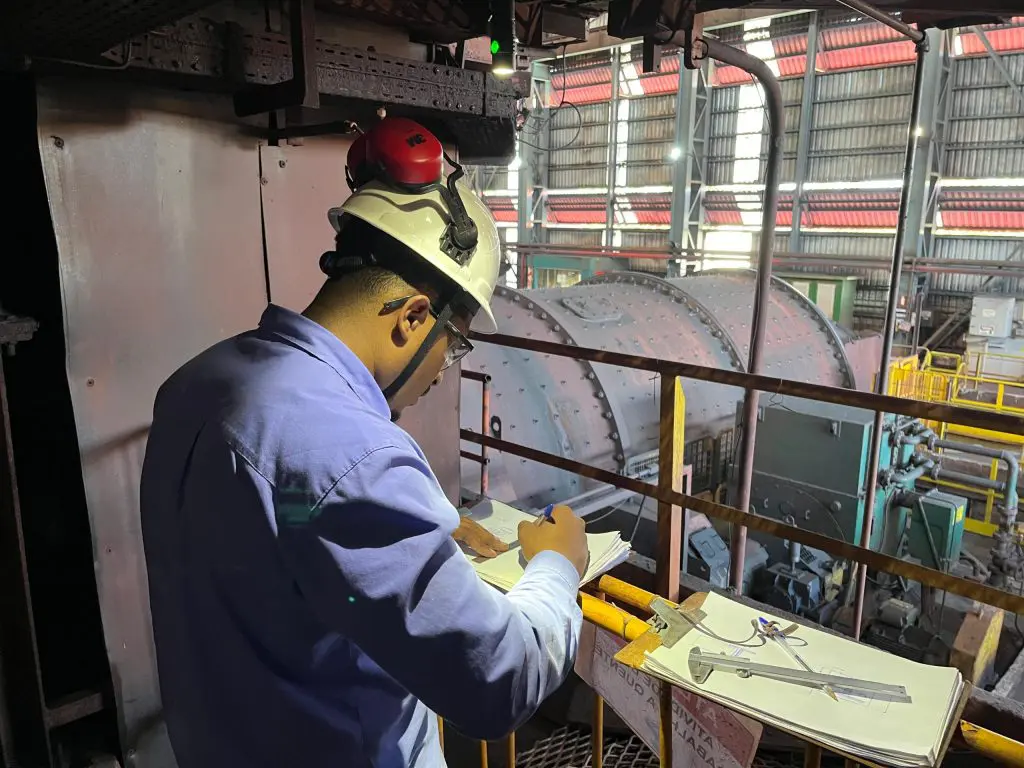
Figure 1: Survey, list of assets and dimensional checks - SOURCE: Kot Collection.
2. Analysis and definition of the maintenance procedure
The next step is to determine and implement the maintenance model best suited to the situation, according to the needs of each client. There are then three alternatives: preventive maintenance, which, as the name implies, aims to prevent damage to equipment through prevention, and is carried out periodically at intervals of time or amount of use; predictive maintenance, which seeks to predict damage before it occurs through continuous monitoring aligned with data analysis; and corrective maintenance, which corrects a fault that has already been identified, after it has occurred. In the figure below, we have an example of predictive maintenance, with non-destructive ultrasound testing being carried out on a metal structure.
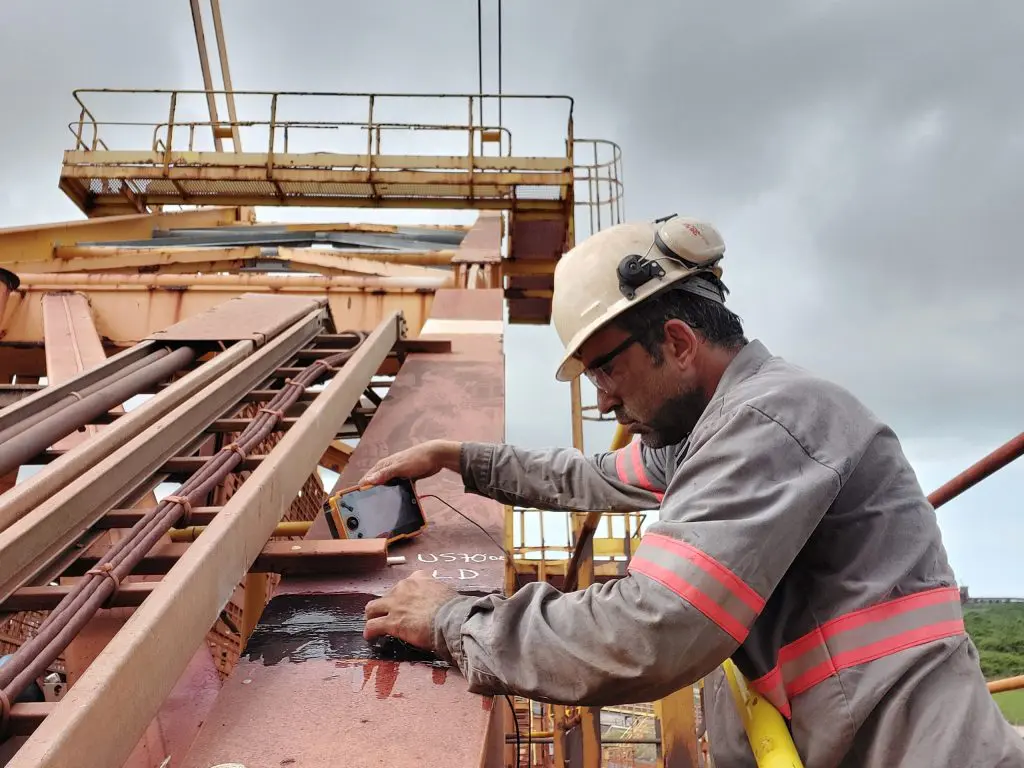
Figure 2: Ultrasound test - SOURCE: Kot Collection.
3. Drawing up maintenance plans
To actually start maintenance, it is essential to develop detailed execution plans, listing the procedures, tools and materials needed for the activity. Secondly, the maintenance schedule and its frequency must be defined, taking into account the impact on operations and production and the viability of resources.
Finally, once the plan has been carried out according to the initial plan, all the activities and checks carried out, parts replaced, time spent and non-conformities identified should be recorded and catalogued to help with the gradual improvement of future inspections and corrections, if applicable.
4. Implementation of continuous monitoring
In order to achieve continuous improvement in both inspection and production processes, it is necessary to promote the use of technologies capable of collecting asset data in real time, as well as periodically checking the integrity of equipment and the effectiveness of defined maintenance models and execution plans.
Furthermore, it is of the utmost importance to have a team of maintenance professionals who are trained and aligned with the processes and guidelines that the company seeks to achieve.
Conclusion
Maintenance management is a critical component for the efficient and safe operation of any organization that uses complex equipment and systems in its production process. This activity requires a balance between meticulous planning, efficient execution and continuous monitoring, always with a focus on continuous improvement and innovation.
The real-time collection of parameters such as deformation, vibration and temperature makes it possible to anticipate anomalous conditions, assess the operational status of assets and, above all, avoid unexpected incidents, providing safety and operational reliability.
In this way, companies have the opportunity to extend the useful life of their assets, ensuring higher product quality and improving the safety and efficiency of processes, as well as reducing costs, which is an extremely important factor.
Kot has a team of professionals trained to evaluate and define the best maintenance solutions and strategies for the engineering challenges faced in the industry on a daily basis. Consult our team for more information!
Follow our pages on LinkedIn, Facebook e Instagram to keep up with our content.
References
[1] MIRSHAWKA, Vitor; OLMEDO, Napoleão Lupes. Combating the costs of non-effectiveness - Brazil's turn. São Paulo: Makron Books, 1993.
[2] XENOS, Harilaus Georgius. Managing productive maintenance. Belo Horizonte: Management Development Publishing House, 1998.
FAQ
1. Qual é a diferença entre Manutenção Baseada no Tempo (TBM) e Manutenção Baseada na Condição (CBM)?
-
Manutenção Baseada no Tempo (TBM – Time-Based Maintenance): Consiste em realizar intervenções em intervalos fixos de tempo ou por horas de uso do equipamento, partindo do pressuposto de que o desgaste ocorre de maneira linear com o passar do tempo. É típica da manutenção preventiva convencional.
-
Manutenção Baseada na Condição (CBM – Condition-Based Maintenance): Realiza intervenções apenas quando o monitoramento detecta uma alteração física real ou anomalia no desempenho do ativo (como aumento de vibração, alta temperatura ou perda de espessura por corrosão). É a base da manutenção preditiva moderna.
2. Quais são as 4 etapas essenciais para implantar a Gestão da Manutenção em uma planta industrial?
Para garantir resultados reais em disponibilidade e redução de custos, a implantação deve seguir este sequenciamento:
-
Mapeamento e Criticidade de Ativos: Inventariar todos os equipamentos e classificá-los com base no impacto que causam na operação e na sua condição atual.
-
Definição das Estratégias: Determinar o modelo ideal para cada ativo (Preventivo, Preditivo ou Corretivo).
-
Planos de Ação e Agendamento: Criar rotinas detalhadas com ferramentas, peças, periodicidade e procedimentos necessários para execução.
-
Monitoramento Contínuo e Treinamento: Implementar sensores para coleta de dados em tempo real e capacitar a equipe para interpretar indicadores de integridade.
3. Como técnicas como extensometria, acelerometria e ultrassom atuam na manutenção preditiva?
Essas tecnologias transformam manifestações patológicas invisíveis em dados quantificáveis:
-
Extensometria: Mede deformações específicas e tensões no aço/estrutura para identificar sobrecargas ou risco de fadiga mecânica.
-
Acelerometria: Monitora a aceleração e vibração de peças móveis, diagnosticando desbalanceamentos, desalinhamentos ou desgastes em rolamentos.
-
Ultrassonografia (Ultrassom): Identifica trincas internas ocultas, falhas em soldas e mede a perda de espessura causada pela corrosão.
4. Por que a catalogação de dados após a execução da manutenção é indispensável?
O encerramento do plano de manutenção exige o registro minucioso de todas as trocas de componentes, tempo investido, recursos utilizados e não conformidades identificadas. O histórico catalogado alimenta a base de inteligência da engenharia, permitindo reajustar intervalos de inspeção, prevenir reincidências de falhas e calibrar os algoritmos de monitoramento preditivo para os ciclos futuros.