In the technology sector, computer vision is currently one of the most important areas of artificial intelligence. In this context, computer vision has transformed the way various companies and industries manage their processes and operations.
Accordingly, this article discusses the main applications of this concept through the following topics:
-
- What is computer vision
-
- How it is applied in society
-
- How it is applied in industry
What is computer vision?
As discussed in one of the articles previously posted here on the Kot Blog, computer vision is a branch of artificial intelligence that seeks to replicate the image processing performed by the human eye for computers.
Since computer vision is a new field that has emerged alongside the advancement of Industry 4.0, it is still a developing area. Furthermore, significant effort is being devoted to implementing machine learning so that machines can interpret human vision, which will make major contributions to various sectors of society and business.
The article referenced in the first paragraph explains in detail the concepts, their stages, advantages and limitations.
How it is applied in society
After all, how can this concept be applied in society?
In fact, the benefits this system offers can be extremely useful in a variety of community settings, as it is a highly versatile and user-friendly tool.
Unlike human eyes, computer vision can "see" over much greater distances and in conditions that humans cannot. Some of these examples are intense darkness, high brightness or frequencies that are not part of the human field of vision, broadening the spectrum seen.
Thus, it can be said that some of its functions in society may include:
-
- Facial recognition of emotions;
-
- Identification of human activity;
-
- Vehicle detector;
-
- Video generation and processing;
-
- Computer vision as a service.
In addition, these roles are applicable to various fields, including healthcare, private and public companies, logistics, and, among many others, industry.
How it is applied in industry
Overall, from an industrial perspective, several specific applications of computer vision can be identified. These include:
Non-invasive check without breaking the product casing
In this case, computer vision can inspect the product without having to open the packaging, which optimizes and speeds up the process while preserving the contents inside the package.
Preventing machine collisions
This is another extremely important application of computer vision, as it relates to accident prevention in industry. During industrial operations, there is sometimes a risk of collisions between machines, and this technology can prevent such accidents from occurring.
Pattern recognition
This function is linked to the automation of processes by identifying labels, barcodes, letters, printed numbers, QR Codes and other types of pre-programmed pattern.
Inspection by image processing
Computer vision can also be used to inspect machinery and structures through image processing. More specific information on this is available in an article already posted on the Blog, available here.
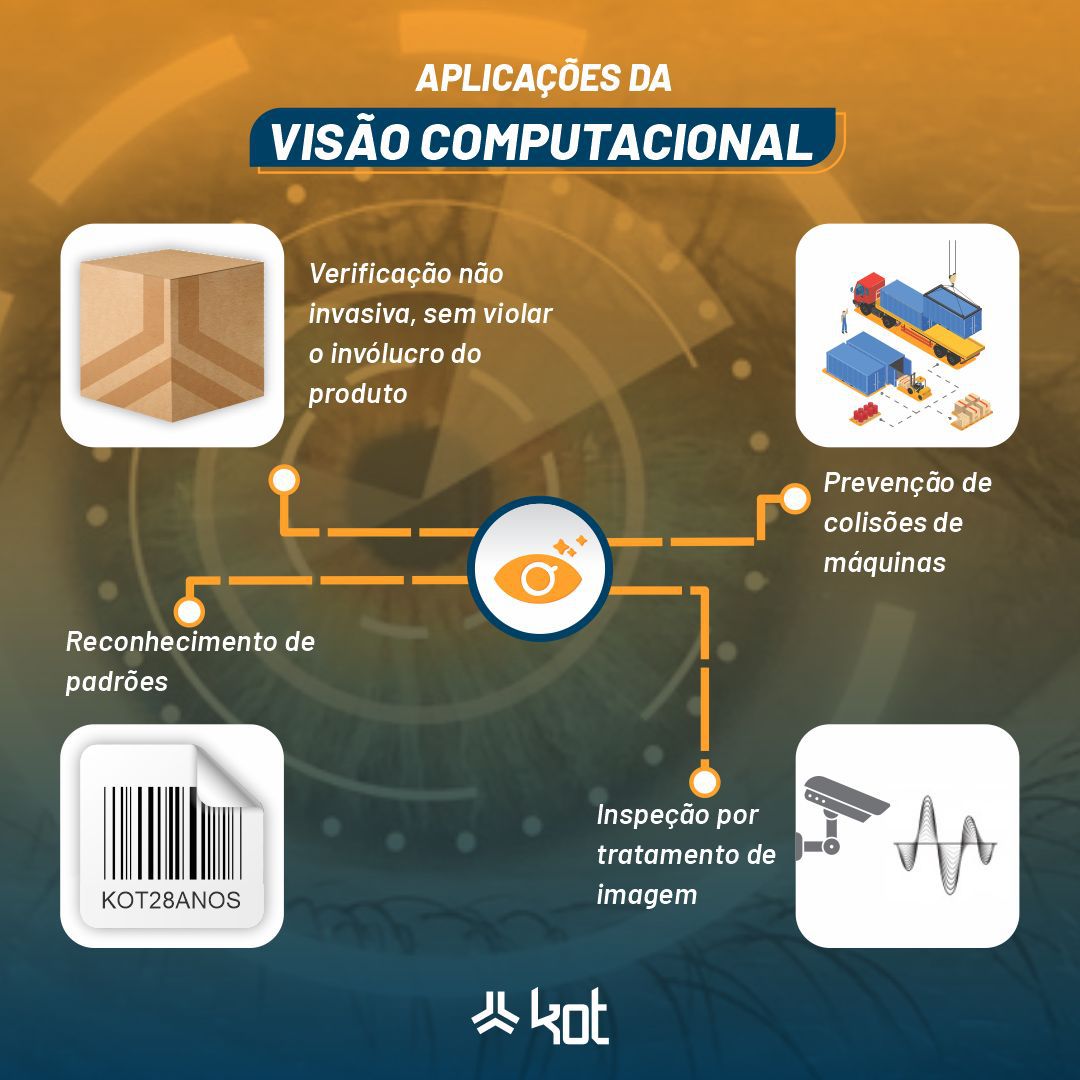
Figure 1: Computer vision applications. SOURCE: Kot Collection.
Conclusion
Artificial Intelligence has, year after year, been crucial to the development of extremely useful tools for different sectors of industry, the market and the community in general.
In short, computer vision is one of those fields that, even though it is still evolving, is already able to meet and streamline tasks that were once time-consuming and complex with greater ease.
Did you like the content?
If you, like our more than 150 clients, are looking for engineering solutions for your operation, contact our team and find out more about our services. Since 1993, we have specialized in developing engineering solutions using computational methods.
Siga, também, nossas páginas no LinkedIn, Facebook e Instagram para continuar acompanhando nossos conteúdos.
FAQ
1. O que é Visão Computacional de acordo com o artigo?
A visão computacional é um campo da inteligência artificial emergente na Indústria 4.0 que busca imitar no computador o processamento visual realizado pelos olhos humanos. Trata-se de uma tecnologia em constante desenvolvimento que treina máquinas para interpretar imagens e executar tarefas de análise visual.
2. Quais são as vantagens da Visão Computacional em relação à visão humana?
Diferente dos olhos humanos, a visão computacional consegue atuar em distâncias muito maiores e em condições em que as pessoas não conseguem enxergar, tais como:
Ambientes de escuro intenso;
Locais de alta claridade;
Frequências e comprimentos de onda que não fazem parte do campo de visão humano.
3. Quais são as principais aplicações da Visão Computacional na sociedade?
Conforme apresentado no texto, a ferramenta possui grande usabilidade e pode ser aplicada na saúde, em empresas públicas e privadas e na logística, desempenhando funções como:
Facial recognition of emotions;
Identification of human activity;
Detecção de veículos;
Video generation and processing;
Computer vision as a service (visão computacional como serviço).
4. Como a Visão Computacional atua na prevenção de colisões nas indústrias?
Durante as operações industriais, há riscos recorrentes de choques entre maquinários. A visão computacional atua monitorando esses cenários operacionais para impedir que tais acidentes ocorram, aumentando a segurança do processo.
5. O que é a verificação não invasiva sem violar o invólucro do produto?
É a aplicação da visão computacional que permite inspecionar o produto sem a necessidade de abrir ou danificar suas embalagens. Essa abordagem preserva o conteúdo interno, otimiza o controle de qualidade e acelera a esteira de processos.
6. De que forma o reconhecimento de padrões é aplicado no ambiente industrial?
O reconhecimento de padrões serve para automatizar processos industriais a partir do escaneamento e identificação de elementos pré-programados, tais como:
Etiquetas e QR Codes;
Códigos de barras;
Letras e números impressos.
7. Qual é a utilidade da inspeção por tratamento de imagem em ativos industriais?
A visão computacional utiliza o tratamento de dados visuais para inspecionar maquinários e estruturas. Isso permite que demandas de verificação estrutural e mecânica, que antes eram morosas e complexas, sejam realizadas com maior facilidade e agilidade.